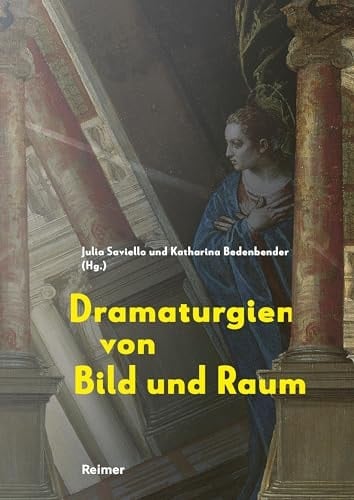
Dramaturgien von Bild und Raum Festschrift für Hans Aurenhammer
0
0
Author Description
English summary: The baroque equestrian statue represented the power of the absolutist ruler, based on a pictorial tradition dating back to antiquity. After the French Revolution, this pictorial formula became obsolete. But then the equestrian portraits underwent a reinterpretation in the bourgeois age. What did equestrian portraits of men and women stand for, particularly in the post-revolutionary period and during the restorative phase of Napoleonic rule? Renate Prochno-Schinkel explores the changing meanings. The cultural history of horses plays an important role in these iconographies of power. And many a political portrait has replaced the attribute of the horse with the car since the 20th century. Sculpted and painted representations, primarily in Europe and the USA, are examined. German description: Text und Bild, Malerei und Architektur, Theater und Bildende Kunst - sie alle konnen Wechselbeziehungen eingehen, die sich als Dramaturgien beschreiben lassen. Welche Modi des Geschichtenerzahlens gibt es in den Kunsten? Beschreibbar werden aus dieser Perspektive die kunstlerische Inszenierung von Landschaft und von Bildarchitekturen, raumtheoretische Uberlegungen zu Malerei, Flache und Asthetik sowie Kunstwerke, die alle Sinne affizieren und Betrachter: innen in einen komplexen Dialog verwickeln. Fur diese gattungsubergreifenden Dramaturgien von Bild und Raum sensibilisiert Hans Aurenhammer in seiner Forschung und Lehre. Ihm ist das Buch gewidmet.
Page Count:
216
Publication Date:
2024-01-01
ISBN-10:
3496016914
ISBN-13:
9783496016915
Community Tags
Reader Comments
Share Your Thoughts
No comments yet. Be the first to share your thoughts!