Author Description
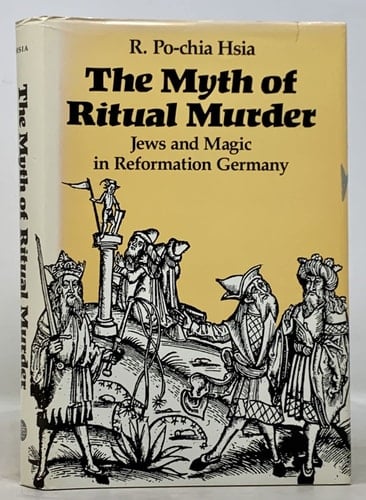
Traces the development of ritual murder trials in late medieval and early modern Germany, and the significance of magic, the occult, and the power attributed to human blood in German religious traditions and folklore based on the Christian belief in sacrifice. Focuses on the ritual murder trial in Endingen (1470), the case of Simon of Trent (1475), the Host desecration accusation in Passau (1478), and the blood libels in Regensburg (1476), Freiburg (1504), and Worms (1563). Ritual murder accusations declined after the Reformation when all forms of magic were attacked, but in Lutheran Germany ritual murder discourse survived primarily as a historical element in order to strengthen confessional identity. Ritual murder trials furnished the historical "reality" for the consolidation of the stereotype of the magical nature of Jews.
Page Count:
248
Publication Date:
1988-01-01
ISBN-10:
0300041209
ISBN-13:
9780300041200
Community Tags
Reader Comments
Share Your Thoughts
No comments yet. Be the first to share your thoughts!