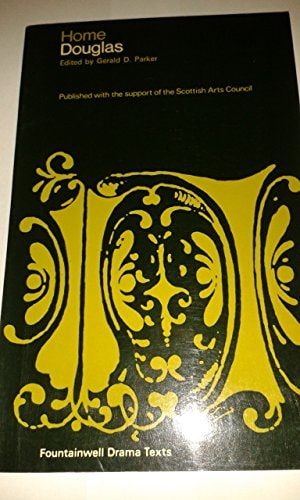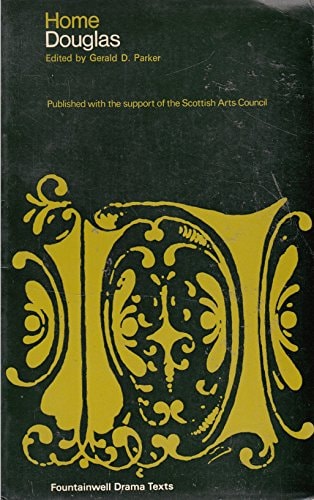
Douglas
0
0
As an Amazon Associate and affiliate partner, Menrva Books earns from qualifying purchases. Learn more
Author Description
This is a reproduction of a book published before 1923. This book may have occasional imperfections such as missing or blurred pages, poor pictures, errant marks, etc. that were either part of the original artifact, or were introduced by the scanning process. We believe this work is culturally important, and despite the imperfections, have elected to bring it back into print as part of our continuing commitment to the preservation of printed works worldwide. We appreciate your understanding of the imperfections in the preservation process, and hope you enjoy this valuable book. ++++ The below data was compiled from various identification fields in the bibliographic record of this title. This data is provided as an additional tool in helping to ensure edition identification: ++++ Douglas: A Tragedy John Home Parsons and Galignani, 1805 Drama; General; Drama / English, Irish, Scottish, Welsh; Drama / General
Menrva's Summary
THE PULSE
A mother discovers her long-lost son has returned as a stranger, setting off a chain of events that leads to inevitable tragedy. Young Norval, raised in obscurity, seeks glory and identity in a world defined by clan loyalties and hidden pasts. Lady Randolph, mourning a son she believes dead, finds herself entangled with this mysterious youth, unaware of their true connection. The narrative unfolds through formal verse, adhering to the classical constraints of eighteenth-century dramatic structure. The conflict intensifies as jealousy and misunderstanding drive the characters toward a fatal resolution.
INSIDE THE PAGES
- Classical five-act dramatic structure
- Use of blank verse and elevated dialogue
- Themes of maternal grief and hidden identity
- Exploration of Scottish clan dynamics
- Focus on the inevitability of fate
- Emphasis on moral dilemmas and honor
- Minimalist stage directions typical of the period
- High-stakes emotional confrontations
THE COLLECTIVE ECHO
Discussion often centers on the play's historical significance as a cornerstone of Scottish Enlightenment drama. Readers frequently highlight the emotional intensity of the central revelation and the author's ability to maintain tension through formal, stylized language. Critics often examine how the work reflects the cultural values of its time, particularly regarding themes of lineage and social standing. The pacing is noted for its deliberate build toward the final act, which remains the most discussed segment of the performance. Many observers appreciate the play for its influence on later theatrical traditions despite its rigid adherence to classical conventions.
Page Count:
0
Publication Date:
1972-01-01
Publisher:
Oliver and Boyd
ISBN-10:
0050026054
ISBN-13:
9780050026052
Drama
Scottish literature
Dramas & Plays
Tragedy
18th century
Classical Theater