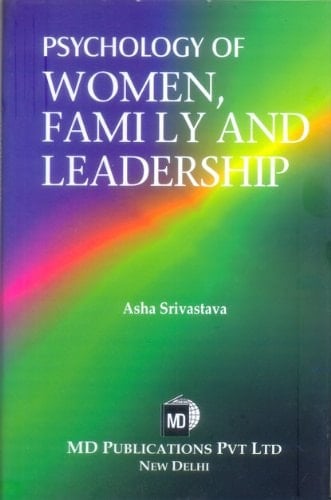
Author Description
The term "leaders" refers to persons holding formal positions of leadership in complex organizations in industry, government, education, politics, the arts, sciences, and professions. Historically gender precluded most females from becoming leaders in such organizations as a result the assumptions that makes were better suited than females for leadership roles was, until recently rarely questioned. Though females, early socialization and other obstacles may impede tham from becoming leaders, those who do aseend do not behave significantly differently from men in the same kinds of positions. Some studies have been able to discern differences in leadership style and managerial behavior, but most have not. Some difference has been found in males and females decisions making styles wherein women tend to employ a more democratic, participative style while men tend to take a more autocratic, directive approach. This difference has appeared in both laboratory studies and observations of real leaders. Women's tendency to negotiate, mediate facilitate, and communicate is the more effective leadership style than men's emphasis on power and control; and because this "feminine" style reduces hierarchy, satusfies subordinates, and achieves results, it should be the norm to which men are compared.
Page Count:
283
Publication Date:
2010-09-28
ISBN-10:
8175332484
ISBN-13:
9788175332485