The Fan Man
0
0
As an Amazon Associate and affiliate partner, Menrva Books earns from qualifying purchases. Learn more
Author Description
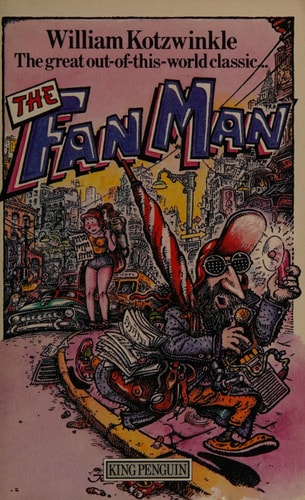
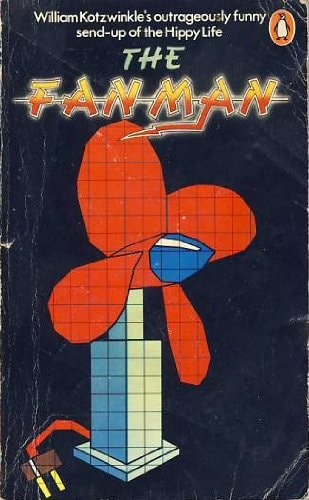
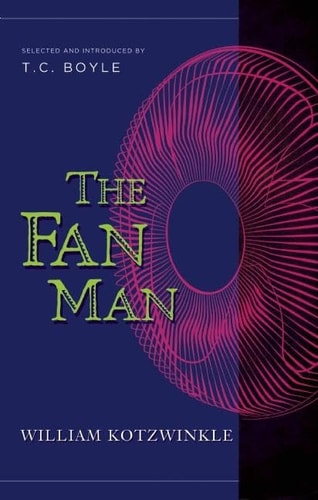
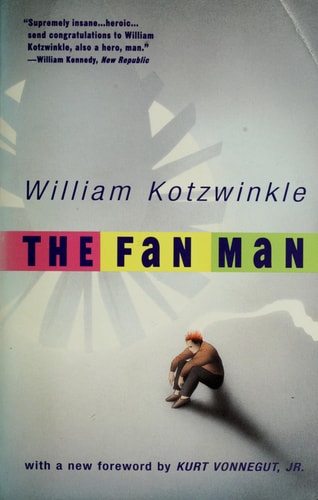
The Fan Man is a comic novel published in 1974 by the American writer William Kotzwinkle. It's told in the 1st-person by the narrator, Horse Badorties, a down-at-the-heels hippie living a life of drug-fueled befuddlement in New York City c. 1970. The book is written in a colorful, vernacular "hippie-speak" & tells the story of the main character's hapless attempts to put together a benefit concert featuring his own hand-picked choir of 15-year-old girls.Horse is a somewhat tragic, tho historically humorous, character with echoes of other famous characters in popular culture such as Reverend Jim Ignatowski of Taxi fame. In his inability to follow anything thru to completion he displays symptoms of attention-deficit disorder tho this could equally be drug-induced. His defining characteristic is his joy in renting or commandeering apartments which he fills with street-scavenged junk articles until full to bursting he moves on to his next "pad". The name "fan man" is a reference to another of his traits; the collecting of fans of all shapes & sizes.
Menrva's Summary
THE PULSE
Horse Badorties, a disoriented hippie navigating 1970s New York City, attempts to organize a benefit concert while struggling with his own chaotic impulses. Horse moves through a world of scavenged junk and drug-induced confusion, driven by a desire to assemble a choir of young girls for a musical performance. He faces constant opposition from his own inability to focus, his lack of resources, and the logistical absurdity of his living arrangements. The narrative is presented through a first-person perspective, utilizing a distinct, stream-of-consciousness vernacular that mirrors the protagonist's fragmented mental state.
INSIDE THE PAGES
- First-person stream-of-consciousness narration
- Use of idiosyncratic 1970s counterculture slang
- Episodic structure reflecting the protagonist's lack of focus
- Satirical depiction of urban hippie life
- Focus on material accumulation and abandonment
- Musical performance as a central, elusive goal
- Character-driven humor based on incompetence and delusion
- Urban setting characterized by decay and transient living
THE COLLECTIVE ECHO
Discussion often centers on the unique linguistic style Kotzwinkle employs to capture the frantic energy of the era. Readers frequently highlight the protagonist as a polarizing figure who balances comedic absurdity with a sense of underlying tragedy. Critics often note the effectiveness of the novel in documenting the specific atmosphere of New York City during the early 1970s. The narrative pacing is frequently described as erratic, which aligns with the protagonist's own inability to follow through on his plans. Many readers find the book to be a significant artifact of counterculture literature that avoids romanticizing the period.
Page Count:
144
Publication Date:
1977-03-31
Publisher:
Penguin Books Ltd
ISBN-10:
0140041915
ISBN-13:
9780140041910
Fiction
Satire
1970s
New York
Humorous
Counterculture
Community Tags
Other Editions(4)
Similar Books