Author Description
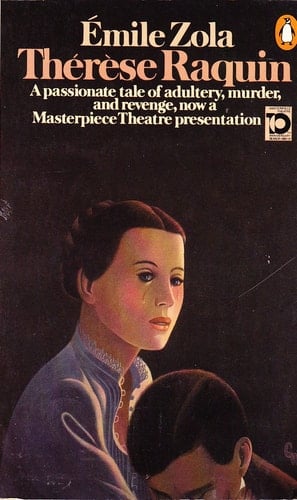
In a dingy apartment on the Passage du Pont-Neuf in Paris, Thérèse Raquin is trapped in a loveless marriage to her sickly cousin, Camille. The numbing tedium of her life is suddenly shattered when she embarks on a turbulent affair with her husband’s earthy friend Laurent, but their animal passion for each other soon compels the lovers to commit a crime that will haunt them forever. Thérèse Raquin caused a scandal when it appeared in 1867 and brought its twenty-seven-year-old author a notoriety that followed him throughout his life. Zola’s novel is not only an uninhibited portrayal of adultery, madness, and ghostly revenge, but also a devastating exploration of the darkest aspects of human existence. Robin Buss's translation superbly conveys Zola's fearlessly honest and matter-of-fact style, combining fidelity to Zola's idiosyncrasies with easy fluency in English Introduction discusses Zola's life and literary career and the influence of art, literature, and science on his writing Includes the preface to the author's second edition of 1868, chronology, suggestions for further reading, and notes
Menrva's Summary
THE PULSE
A stifling marriage and a clandestine affair drive two lovers toward a calculated act of violence that irrevocably alters their reality. Thérèse Raquin, confined by the monotony of her existence in a damp Parisian apartment, seeks liberation through a volatile relationship with Laurent. Their objective to secure a future together is obstructed by the presence of her husband, Camille, leading them to commit a murder that serves as the catalyst for their psychological disintegration. The narrative employs a third-person perspective to observe the characters with clinical detachment, emphasizing the physical and environmental factors that dictate their descent into madness.
INSIDE THE PAGES
- Detailed depiction of the claustrophobic urban environment of 19th-century Paris
- Exploration of the intersection between biological determinism and human behavior
- Use of sensory imagery to emphasize the decay and gloom of the setting
- Examination of the psychological aftermath of guilt and paranoia
- Contrast between the characters' animalistic impulses and societal expectations
- Focus on the inevitability of consequences following a moral transgression
- Incorporation of gothic elements to represent the haunting nature of the crime
- Stylistic commitment to the principles of literary naturalism
THE COLLECTIVE ECHO
Readers and critics frequently highlight the clinical, almost scientific precision with which Zola dissects the moral decay of his protagonists. Discussion often centers on the effectiveness of the setting as a mirror for the characters' internal states, noting how the oppressive atmosphere of the apartment contributes to the narrative tension. Many observers point to the stark contrast between the initial physical passion of the lovers and the subsequent psychological paralysis that defines the latter half of the book. The work is widely recognized for its uncompromising portrayal of human nature, which continues to provoke debate regarding the limits of naturalism in fiction. Scholars often emphasize that the novel serves as a foundational text for understanding the transition toward modern psychological realism.
Page Count:
256
Publication Date:
1981-01-01
ISBN-10:
0140057757
ISBN-13:
9780140057751
Crime
NATURALISM
classic
Psychological
French literature