Author Description
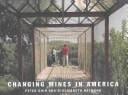
"A bumper sticker says it all: "If it isn't grown, it has to be mined." Americans appetite for the good life is apparently insatiable, as the nation's annual consumption of newly mined materials is more than 47,000 pounds per person. Without minerals there would be no radiation therapy for cancer; no refrigerators or satellites; no toasters, toothpaste, or kitty litter. A single telephone requires up to forty-two different minerals, thirty-five for a television, and thirty for a personal computer. Without the steel manufactured from mined iron and coal, there would be no cars, trucks, or trains; no high-rise buildings, no Golden Gate or Brooklyn bridges; no razor blades. Without aluminum, there would be no airplanes; without sand and gravel, no roads, without salt, no life at all." "Most Americans today view mines as little more than "waste places," as ugly scars on the landscape that have no connection to an American way of life. This is an attitude that authors Goin and Raymond attempt to correct in their new work of photography and history. After an introduction to the history of mining in America, the authors present eight visual and historical essays about diverse mining sites in Pennsylvania, Texas, Minnesota, and the far West - each of which reveals that mines are more than physical degradations; they are evolving cultural artifacts on the American landscape. As the authors conclude: "Mined landscapes will never be pristine places, but they are hardly alone in that. The industry remains essential for our current standard of living. Given the American appetite for the products of mining, it behooves us to understand and appreciate both the intricacy and the physical and social legacies of their production."" "Changing Mines in America will appeal to general and academic readers interested in photography and the American landscape."--BOOK JACKET.
Page Count:
207
Publication Date:
2004-01-01
ISBN-10:
1930066112