Author Description
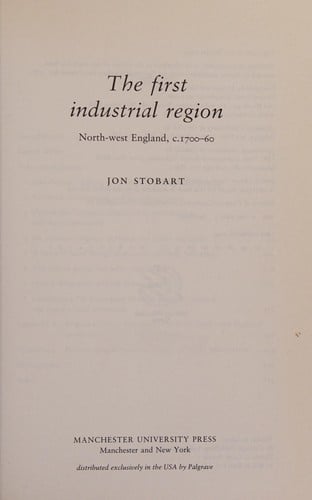
"This is a book about the geography of economic growth and the influence which geography had on economic growth during the early phases of industrialisation in England. Its innovative analysis examines the role of the urban system in structuring economic development, showing how the growth of towns served to integrated industries and promote economic change. The central argument is twofold: first, that a proper understanding of the national economy can only be gained through closer regional analyses; and second, that regional integration effected through towns was crucial to national development as it facilitated the spatial and sectoral specialisations which were the key to the winder economic growth in this period." "Drawing on a wealth of original research, these arguments are developed through detailed examination of the manufacturing and service economies in the world's first modern industrial region: the north-west of England in the first half of the eighteenth century. Building on a wide-ranging review of the literature on economic development, it places the region within a set of broader conceptual and geographical contexts. It offers a theoretically informed discussion of textile, mineral and service economies within the north-west and argues that these need to be viewed as part of a regional economy that become increasingly consolidated through a variety of urban-based activities and linkages." "This book has much to offer second- and third-year undergraduates, postgraduates and researchers in economic, social and urban history, and historical geography."--Jacket.
Page Count:
259
Publication Date:
2004-01-01
ISBN-10:
0719064627
History