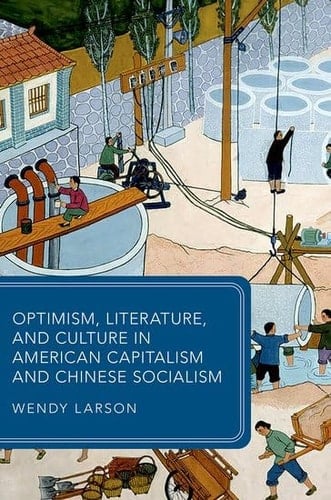
Optimism, Literature, and Culture in American Capitalism and Chinese Socialism (Global Asias)
0
0
Author Description
This Book Examines And Interprets The Uncanny Similarity Between Capitalism And Socialism Over The Twentieth Century As Both Systems Found Ways To Encourage Happiness And Optimism In Their Citizens. As Inheritors Of The Enlightenment Emphasis On Scientific Rationality, These Cultures Sought To Instill In Their Citizens The Belief In Progress, Settling On A Future-oriented Optimism As The Favored State Of Mind. When Progress As A Theory Of History Is Generally Accepted, Happiness Becomes A Transference Of Future Advancement Into Present Subjectivity, Ultimately Expressing Acceptance Of And Satisfaction With Society. Fundamentally A Literary Study Strongly Embedded In History, This Project Looks To Fiction To Show How Narrative Encouraged Readers To Engage In The Struggle For New Values. Characters Both Model Optimism And Also Contest The Way In Which Optimism Encompassed A Belief In Progress That Itself Could Be Camouflaged And The Demands For A Happiness That Insisted On Everyone Else's Well-being Before One's Own. For Example, The Book Compares Yang Mo's Famous Song Of Youth (1958) With Horatio Alger Jr.'s Ragged Dick (1868), Eleanor Hodgman Porter's Pollyanna (1913), And Frederick Kohner's Gidget (1957); Wang Meng's Long Live Youth (written 1953) And A Young Man Arrives At The Organization Department (1956) Are Put Up Against Jack Kerouac's On The Road (1958). This Study Also Brings Related Cultural And Political Concepts Such As Revolutionary Optimism, Permanent Revolution, Literary Typicality, The New Soviet Person And The Positive Hero, Optimistic Autosuggestion, Cultural Authenticity, And Positive Thinking, As Well As Challenges To Those Concepts-- Provided By Publisher.
Page Count:
208
Publication Date:
2026-01-09
ISBN-10:
0198957920
ISBN-13:
9780198957928
Politics & Social Sciences