Author Description
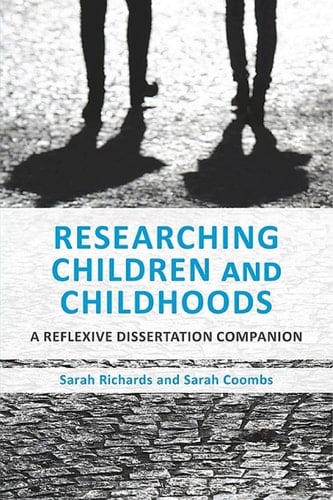
<b>Junior researchers in the field of childhood studies are often faced with many challenges that accompany research with young participants.</b> Methodological concepts, such as research relationships, positionality, self-disclosure and reflexivity can sometimes become subordinate to more practical and procedural concerns. <i>Researching Children and Childhoods</i> frames these themes not as problems but as opportunities to deepen and strengthen research discussions and analysis. <br/><br/>Providing students with a guide to support their ventures into research with children and young people, this book offers practical advice on writing a thesis/dissertation and will enable readers to:<br/> <br/> - confidently reflect on the ethical issues embedded in their own projects and recognise them as opportunities for discussion within their dissertations or thesis<br/> - demystify the role of methodologies and position them as essential tools for their research<br/> - consider the efficacy of concepts such as agency, autonomy, participation, subjectivity, and voice as ways of understanding childhood and children's lived experiences<br/> - use ideas such as positionality, self-disclosure and category entitlement to recognise the integral role of researcher identity and relationships in the construction of knowledge<br/> - use 'I' authoritatively when writing about their own research without reducing content to descriptive, opinion based discussions<br/> - situate their research by exploring the context in which the research takes place and the power relations embedded within participants and researcher relationships<br/><br/> Each chapter includes a variety of researcher experiences, vignette examples, and specific activities, aimed at applying the key themes represented in this volume into research dissertations.
Page Count:
160
Publication Date:
2025-07-10
ISBN-10:
1350043222
ISBN-13:
9781350043220