Author Description
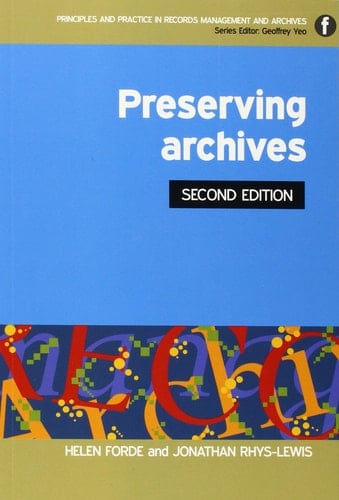
A brand new and fully updated edition of this seminal work on archival preservation. <br> <br> Access to archival material – the documentary heritage of people all over the world that gives them their identity and ensures their rights – is dependent on the survival of fragile materials: paper, parchment, photographic materials, audiovisual materials and, most recently, magnetic, optical and increasingly digital formats. The primary importance of such survival is widely acknowledged but sometimes overlooked in a rush to provide ever better means of access. But without the basic material, no services can be offered. Preservation is at the heart of archival activity.<br> <br> Archivists in all types of organizations face questions on how to plan a preservation strategy in less than perfect circumstances, or deal with a sudden emergency. This book considers the causes of threats to the basic material, outlines the preservation options available and offers flexible solutions applicable in a variety of situations. It offers a wide range of case studies and examples from international specialists. This revised edition includes additional material on digital preservation and green building as well as a new chapter on the management and training of volunteers, reflecting a key concern for many archival institutions.<br> <br> Key topics are:<br> <br> • Understanding archival materials and their characteristics<br> • Managing digital preservation<br> • Archive buildings and their characteristics<br> • Safeguarding the building and its contents<br> • Managing archival storage<br> • Managing risks and avoiding disaster<br> • Creating and using surrogates<br> • Exhibiting archives<br> • Handling the records<br> • Managing a pest control programme<br> • Training and the use of volunteers<br> • Putting preservation into practice.<br> <br> Readership: Archivists, libr
Page Count:
336
Publication Date:
2013-03-23
ISBN-10:
1856048233
ISBN-13:
9781856048231