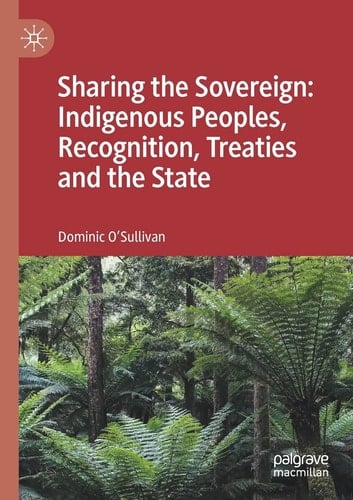
Author Description
<p>This book explains how recognition theory contributes to non-colonial and enduring political relationships between Indigenous nations and the state. It refers to Indigenous Australian arguments for a Voice to Parliament and treaties to show what recognition may mean for practical politics and policy-making. It considers critiques of recognition theory by Canadian First Nations’ scholars who make strong arguments for its assimilationist effect, but shows that ultimately, recognition is a theory and practice of transformative potential, requiring fundamentally different ways of thinking about citizenship and sovereignty. </p> <p>This book draws extensively on New Zealand’s Treaty of Waitangi and measures to support Maori political participation, to show what treaties and a Voice to Parliament could mean in practical terms. It responds to liberal democratic objections to show how institutionalised means of indigenous participation may, in fact, make democracy work better.</p><p><br></p><p><br></p><br>
Page Count:
218
Publication Date:
2021-12-23
ISBN-10:
9813341742
ISBN-13:
9789813341746
Community Tags
Reader Comments
Share Your Thoughts
No comments yet. Be the first to share your thoughts!