Author Description
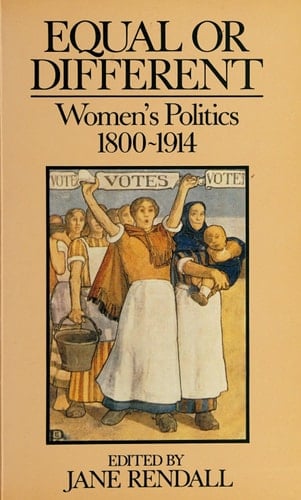
This book explores the reasons why women entered public life in 19th- and early 20th-century Britain. In this period women might be said to have formally begun the practice of politics, such as public speaking, organizations and journalism. Yet for women there were no clearly defined boundaries between public and private life. For much of the period they justified their political claims with reference to the uniqueness of their domestic responsibilities. At the same time their changing patterns of employment could also generate an active political consciousness. Both working- and middle-class women might identify first with the interests of their class, yet later be drawn towards some sense of the common interests of their sex. The demand for suffrage, which has tended to dominate much writing on 19th- and early 20th- century feminism, must be seen against a background of a much wider growth of political awareness among women on a wide range of issues. In this volume, contributors discuss such themes through essays based on their own research into women's participation in evangelical religious movements, in Chartism, in local government, in parliamentary parties and the labour movement.
Page Count:
290
Publication Date:
1987-01-01
ISBN-10:
0631145230
ISBN-13:
9780631145233