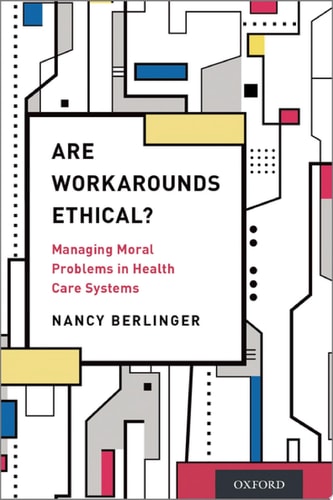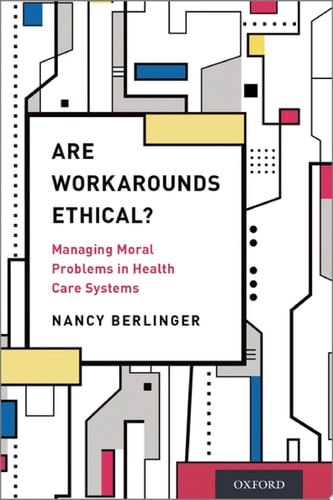
Are Workarounds Ethical?
0
0
As an Amazon Associate and affiliate partner, Menrva Books earns from qualifying purchases. Learn more
Author Description
How Work Gets Done In Complex Health Care Systems Is Ethically Important. When Health Care Professionals And Other Staff Are Pressured To Improvise, Fix Structural Problems, Or Comply With Competing Policies, The Uncertainty And Distress They Experience Have Potential Consequences For Patients, Families, Colleagues, And The System Itself. This Book Presents A New Theory Of Health Care Ethics That Is Grounded In The Nature Of Health Care Work And How It Is Shaped By The Ever-changing Conditions Of Complex Systems, In Particular, Problems Of Safety And Harm. By Exploring Workarounds And Other Improvised Practices In Complex Health Care Systems That Are Difficult For Professionals To Talk About Openly, Yet Have Unclear Effects, Including Their Value Or Risk To Patients, This Book Offers A Realistic Look At Our Changing Health Care System And How We Can Improve The Way We Manage Moral Problems Arising In The Care Of The Sick. Berlinger Argues That Health Care Ethics In Complex And Changing Health Care Systems Should Reflect The Moral Complexity Of Health Care Work, Analyze Common Ethical Challenges With Reference To Behaviors And Pressures Driven By The System Itself, And Support Opportunities For Health Care Professionals And Staff At All Levels To Reflect On The Problems They Face And To Take Part In Social Change. The Book's Chapters Include Frameworks For Looking At Ethical Challenges In Health Care As Problems Of Safety And Harm With Consequences For Patients. Are Workarounds Ethical? Is Designed To Support Clinician Education In Medicine, Nursing, And Interdisciplinary Contexts And Recommend Methods For Integrating Ethics, Safety, And Justice In Practice.
Menrva's Summary
THE THESIS
This book investigates whether improvised workarounds in complex health care systems can be ethically justified when they arise from structural pressures and competing institutional policies. Nancy Berlinger, a research scholar at The Hastings Center, utilizes her expertise in bioethics and health care policy to construct a framework that shifts the focus from individual moral failure to systemic conditions. She argues that health care ethics must evolve to account for the reality of clinical work, where staff often improvise to ensure patient safety despite flawed organizational structures.
THE SCOPE MAP
What You Will Find
- A theoretical framework for evaluating workarounds as issues of safety and harm
- Analysis of the intersection between institutional policy and clinical improvisation
- Methods for integrating ethics, safety, and justice into daily practice
- Strategies for fostering institutional reflection and social change
Scope Limits
- The text does not provide a universal checklist for determining the morality of every specific clinical shortcut
- It does not cover legal liability or malpractice litigation strategies in depth
THE AUTHORITY PERSPECTIVE
Experts in bioethics and clinical education identify this work as a significant contribution to the study of organizational ethics in medicine. Readers frequently note that the prose is accessible to both clinicians and administrators, providing a practical lens for addressing the moral distress inherent in modern health care systems.
Page Count:
208
Publication Date:
2015-01-01
Publisher:
Oxford University Press
ISBN-10:
0190269308
ISBN-13:
9780190269302
Medical Ethics
Health Care
Sociology of Medicine
Professional Ethics
Community Tags
Similar Books