Author Description
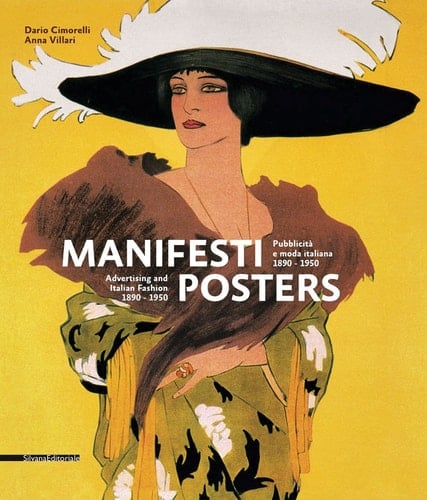
Advertising served as an ideal vehicle for fashion, as seen in the dreamy *fin de siècle* ladies drawn by Aleardo Terzi in his posters for the Magazzini Mele in Naples, whose splendid elegance reflects the ambitions of the new rising bourgeois class, in the wispy, diaphanous "crisis-women" of the 1920s seeking to liberate themselves at last from the slavery of their whalebone corsets, and in the vigorous, sporting, dynamic modern women drawn by Gino Boccasile and Marcello Dudovich in advertisements for La Rinascente in the 1930s. While women's struggle for greater independence in the early 1900s made its mark on everything from skirt length and haircuts to gestures and body language, the traditionalism imposed by the Fascist regime, and the subsequent limitations resulting from economic sanctions against Italy for its ruinous colonial pursuits, led by the end of the 1930s to the institution of new rules, a new restrictive preoccupation with "decency" and the use of autarchic materials. Over these years, fashion became an unmistakable sign of status, a mirror reflecting not only the rapid social and economic changes of the period but even its fleeting moods and dreams.#13;#13;In these years, when advertising came into its own as a new means of information and propaganda, posters and magazines became a new and privileged territory. It was here that the greatest artists, illustrators and fashion designers of the day placed their creativity at the service of a genre which might otherwise seem frivolous, experimenting with new communication and graphic strategies and constantly modernizing their style in light of the figurative trends of the moment.
Page Count:
237
Publication Date:
2012-01-01
ISBN-10:
8836623433
ISBN-13:
9788836623433