Experiencing Time
0
0
As an Amazon Associate and affiliate partner, Menrva Books earns from qualifying purchases. Learn more
Author Description
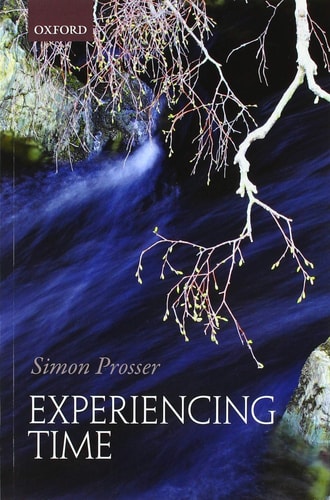
Our engagement with time is a ubiquitous feature of our lives. We are aware of time on many scales, from the briefest flicker of change to the way our lives unfold over many years. But to what extent does this encounter reveal the true nature of temporal reality? To the extent that temporal reality is as it seems, how do we come to be aware of it? And to the extent that temporal reality is not as it seems, why does it seem that way? These are the central questions addressed by Simon Prosser in Experiencing Time. These questions take on a particular importance in philosophy for two reasons. Firstly, there is a view concerning the metaphysics of time, known as the B-theory of time, according to which the apparently dynamic quality of change, the special status of the present, and even the passage of time are all illusions. Instead, the world is a four-dimensional space-time block, lacking any of the apparent dynamic features of time. If the B-theory is correct, as the book argues, then it must be explained why our experiences seem to tell us otherwise. Secondly, experiences of temporal features such as changes, rates and durations are of independent interest because of certain puzzles that they raise, the solutions to which may shed light on broader issues in the philosophy of mind.
Menrva's Summary
THE THESIS
How can we reconcile our subjective experience of time as a dynamic, flowing process with the B-theory of time, which posits that temporal reality is a static, four-dimensional block? Simon Prosser, a philosopher specializing in the metaphysics of time and mind, examines the discrepancy between human perception and physical reality. He argues that while our experiences of change, duration, and the present are pervasive, they do not necessarily reflect the fundamental structure of the universe, necessitating a robust explanation for why these illusions persist.
THE SCOPE MAP
What You Will Find
- An analysis of the B-theory of time and its implications for human consciousness
- Philosophical frameworks for understanding temporal features like rates and durations
- Investigations into the relationship between the philosophy of mind and temporal perception
Scope Limits
- The text does not provide a comprehensive history of all temporal theories in physics
- It does not offer a practical guide for managing personal time or productivity
THE AUTHORITY PERSPECTIVE
Experts recognize this work as a significant contribution to the ongoing debate between A-theory and B-theory proponents in contemporary metaphysics. Readers frequently note the academic density of the prose, which requires a strong background in analytic philosophy to fully grasp the arguments presented.
Page Count:
240
Publication Date:
2016-01-01
Publisher:
OUP Oxford
ISBN-10:
0191065773
ISBN-13:
9780191065774
Philosophy
Philosophy of
Metaphysics
Time
Epistemology