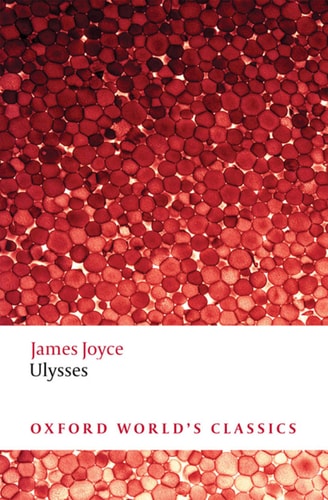
Ulysses
0
0
As an Amazon Associate and affiliate partner, Menrva Books earns from qualifying purchases. Learn more
Author Description
Ulysses, one of the greatest novels of the twentieth century, has had a profound influence on modern fiction. In a series of episodes covering the course of a single day, 16 June 1904, the novel traces the movements of Leopold Bloom and Stephen Dedalus through the streets of Dublin. Each episode has its own literary style, and the epic journey of Odysseus is only one of many correspondencies that add layers of meaning to the text. Ulysses has been the subject of controversy since copies of the first English edition were burned by the New York Post Office Authorities. Today critical interest centres on the authority of the text, and this edition, complete with an invaluable Introduction, notes, and appendices, republishes for the first time, without interference, the original 1922 text. ABOUT THE SERIES: For over 100 years Oxford World's Classics has made available the widest range of literature from around the globe. Each affordable volume reflects Oxford's commitment to scholarship, providing the most accurate text plus a wealth of other valuable features, including expert introductions by leading authorities, helpful notes to clarify the text, up-to-date bibliographies for further study, and much more.
Menrva's Summary
THE PULSE
The narrative follows the mundane yet complex movements of Leopold Bloom and Stephen Dedalus across Dublin during a single day, June 16, 1904. The protagonists navigate the urban landscape while grappling with internal monologues, personal histories, and the weight of their respective social environments. The text utilizes a shifting narrative framework, employing diverse stylistic techniques to mirror the psychological states of its characters. Logical constraints are defined by the rigid temporal structure of a single day, contrasted against the expansive, often chaotic internal experiences of the individuals involved.
INSIDE THE PAGES
- Extensive use of stream of consciousness technique
- Episodic structure mirroring Homeric parallels
- Varied linguistic styles for each chapter
- Detailed topographical depiction of early 20th-century Dublin
- Integration of classical mythology and contemporary realism
- Complex wordplay and linguistic experimentation
- Shifts between objective observation and subjective interiority
- Inclusion of historical and cultural references specific to the Irish context
THE COLLECTIVE ECHO
Discussion often centers on the technical complexity of the prose and the innovative use of interior monologue. Readers frequently highlight the dense, multi-layered nature of the text, which requires significant engagement to fully parse the various allusions and stylistic shifts. Critics often examine the balance between the grounded, physical reality of Dublin and the abstract, mythological framework that informs the narrative structure. The work remains a primary subject of academic study regarding the evolution of the novel form in the twentieth century. Many readers note that the pacing varies significantly between episodes, reflecting the distinct stylistic choices made for each segment of the day.
Page Count:
1047
Publication Date:
2008-01-01
Publisher:
OUP Oxford
ISBN-10:
0191623040
ISBN-13:
9780191623042
Literary Fiction
Kindle eBooks
World Literature
classic
Stream of Consciousness
Categories
Kindle Store
European
Modernist
Community Tags
Other Editions(37)
Oxford University Press
2099
Default edition
Independently published
2025

Independently published
2024

Independently published
2024

Independently published
2024

Independently published
2023

Independently published
2023

Independently published
2023

Independently published
2023

Independently published
2023

Independently Published
2022

Independently published
2022

Independently Published
2022

Independently Published
2022
Oxford University Press
2022

Independently Published
2022

Independently published
2022

Independently published
2022
Independently Published
2022

Independently Published
2021

Independently Published
2021

Independently published
2021

Independently published
2020
Pandora's Box Classics
2020

Digireads.com Publishing
2016

General Books LLC
2010
OUP Oxford
2008

Recorded Books, Inc.
2004
Vintage
1999

Penguin Group USA
1998
Naxos Audio Books
1995

Everyman
1992
Penguin
1969

Vintage
1967

Collins Educational
1961
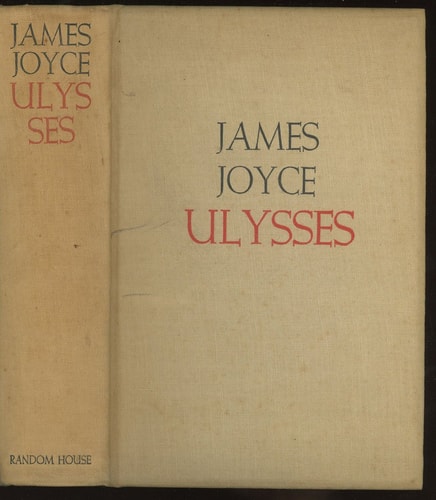
Random House Inc
1934
Select Music & Video Distribution
1900
Similar Books

Reader Comments
Share Your Thoughts
No comments yet. Be the first to share your thoughts!