Author Description
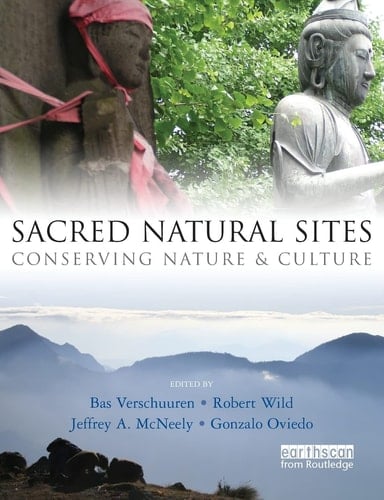
"Sacred Natural Sites" are the world's oldest protected places. Some of the most prominent examples include Uluru (Ayer's Rock, Australia), Mount Fuji (Japan), Sagarmatha /Chomolongma (Mt Everest, Nepal and China), the River Ganges (India), the Sacred Groves of India, Lake Titicaca (Bolivia and Peru) and Mount Kilimanjaro (Tanzania). This book focuses on some of these iconic sites but more on lesser known examples such as the Holy Hills (China), the Golden Mountains of Altai (Russia), Holy Island of Lindisfarne (UK) and the sacred lakes of the Niger Delta (Nigeria). Across a wide range of case studies from throughout the world, authors describe these sacred mountains, lakes, rivers, forests, groves, islands, seas, and landscapes and the species that live in them. Sacred natural sites are shown to contain remarkable biodiversity and therefore can make a significant contribution to halting the catastrophic extinction of wild species of plants and animals as well as the decline and damage of habitats and ecosystems. They also display a broad array of cultural diversity, languages, rituals, traditional knowledge, art, song, story, dance and identity and therefore appear of universal humanitarian value. Religion can partner with conservation science in sacred natural sites for the pragmatic and effective protection of nature. Often cared for by their traditional custodian community, sacred natural sites represent a wide diversity of socio-ecological models that can help find approaches for more sustainable lifestyles and human-nature relationships for the world at large. "
Page Count:
310
Publication Date:
2010-01-01
ISBN-10:
1849711674
ISBN-13:
9781849711678