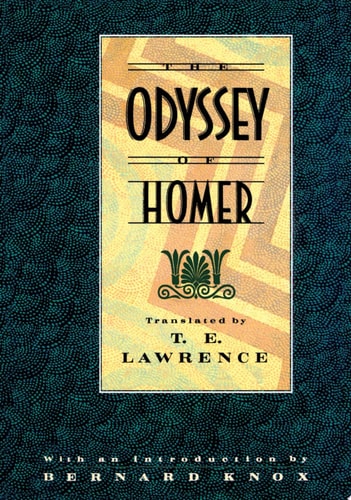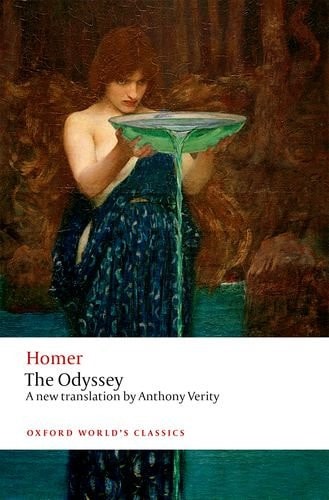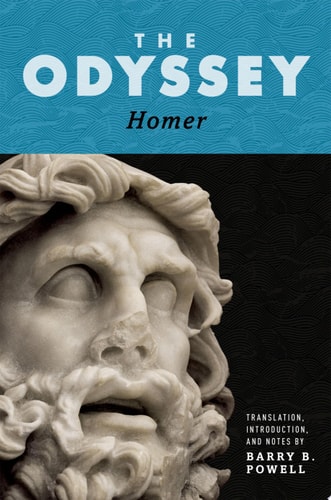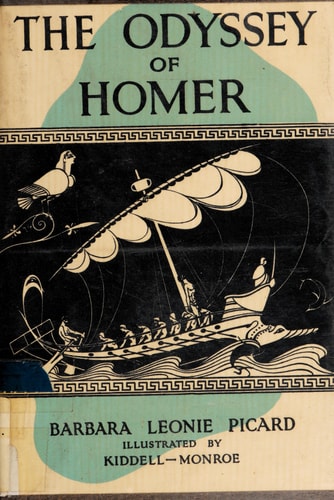
The Odyssey of Homer
0
0
As an Amazon Associate and affiliate partner, Menrva Books earns from qualifying purchases. Learn more
Author Description
Ten years have passed since the fall of Troy, and the Greek hero Odysseus still has not returned to his kingdom in Ithaca. A large and rowdy mob of suitors who have overrun Odysseus’s palace and pillaged his land continue to court his wife, Penelope. She has remained faithful to Odysseus. Prince Telemachus, Odysseus’s son, wants desperately to throw them out but does not have the confidence or experience to fight them. One of the suitors, Antinous, plans to assassinate the young prince, eliminating the only opposition to their dominion over the palace. Unknown to the suitors, Odysseus is still alive. The beautiful nymph Calypso, possessed by love for him, has imprisoned him on her island, Ogygia. He longs to return to his wife and son, but he has no ship or crew to help him escape. While the gods and goddesses of Mount Olympus debate Odysseus’s future, Athena, Odysseus’s strongest supporter among the gods, resolves to help Telemachus. Disguised as a friend of the prince’s grandfather, Laertes, she convinces the prince to call a meeting of the assembly at which he reproaches the suitors. Athena also prepares him for a great journey to Pylos and Sparta, where the kings Nestor and Menelaus, Odysseus’s companions during the war, inform him that Odysseus is alive and trapped on Calypso’s island. Telemachus makes plans to return home, while, back in Ithaca, Antinous and the other suitors prepare an ambush to kill him when he reaches port.
Menrva's Summary
THE PULSE
Following the conclusion of the Trojan War, the Greek hero Odysseus struggles to navigate a divine and mortal gauntlet to return to his home in Ithaca. Odysseus finds himself detained on the island of Ogygia by the nymph Calypso, while his wife Penelope and son Telemachus face a hostile takeover of their estate by aggressive suitors. The narrative follows a dual-track structure, alternating between the maturation of Telemachus as he seeks news of his father and the eventual release and arduous voyage of Odysseus. The world is governed by the direct intervention of Olympian deities, whose shifting alliances dictate the physical and logical boundaries of the protagonist's survival. The text utilizes a traditional epic framework, blending heroic action with divine machinations.
INSIDE THE PAGES
- Use of epic similes to describe combat and natural phenomena
- Interventionist role of Olympian deities in human affairs
- Non-linear narrative structure through the use of flashbacks
- Focus on the concept of xenia, or the ancient Greek code of hospitality
- Characterization of the hero through cunning and endurance rather than brute strength
- Exploration of the tension between fate and human agency
- Detailed descriptions of ancient maritime travel and navigation
- Contrast between the domestic instability of Ithaca and the exotic landscapes of the Mediterranean
THE COLLECTIVE ECHO
Readers and critics frequently highlight the enduring nature of the narrative's structure and its foundational influence on Western storytelling. Discussion often centers on the balance between the domestic struggle in Ithaca and the fantastical elements of Odysseus's encounters with gods and monsters. Many emphasize the effectiveness of the pacing, which shifts between the introspective growth of Telemachus and the high-stakes survival of his father. The atmosphere is consistently described as grand and mythic, providing a clear window into the values of ancient Greek society. Readers often note that the work remains accessible despite its age, serving as a primary reference point for the hero's return archetype.
Page Count:
0
Publication Date:
1979-01-01
Publisher:
Oxford Univ Pr
ISBN-10:
0192745085
ISBN-13:
9780192745088
Adventure
New Used & Rental Textbooks
Mythology
classic
Epic Poetry
Ancient Greek
Community Tags
Similar Books