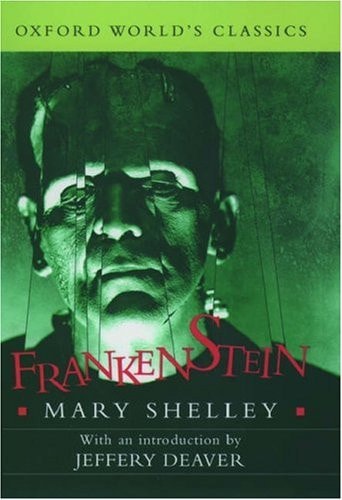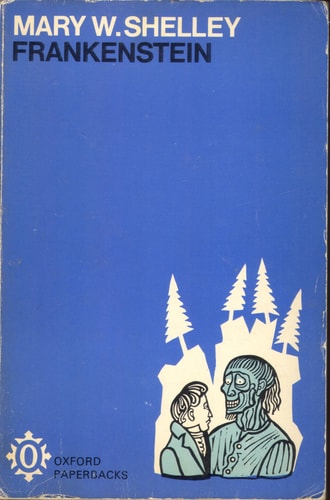
Frankenstein: Or, The Modern Prometheus
0
0
As an Amazon Associate and affiliate partner, Menrva Books earns from qualifying purchases. Learn more
Author Description
HarperCollins is proud to present its new range of best-loved, essential classics. 'It was already one in the morning; the rain pattered dismally against the panes, and my candle was nearly burnt out, when, by the glimmer of the half-extinguished light, I saw the dull yellow eye of the creature open!' Written when Mary Shelley was only nineteen-years old, this chilling tale of a young scientist's desire to create life still resonates today. Victor Frankenstein's monster is stitched together from the stolen limbs of the dead, and the result is a grotesque being who, rejected by his maker, sets out on a journey to reek his revenge. In the most famous gothic horror story ever told, Shelley confronts the limitations of science, the nature of human cruelty and the pathway to forgiveness with rich language and evocative imagery.
Menrva's Summary
THE PULSE
Victor Frankenstein’s ambition to transcend the boundaries of mortality results in the creation of a sentient, grotesque being that ultimately destroys his life. Driven by a desire to unlock the secrets of nature, the protagonist abandons his creation, leaving the creature to navigate a world that views him with immediate hostility. The narrative framework utilizes an epistolary structure, incorporating letters and nested first-person accounts to detail the psychological deterioration of the creator and the existential suffering of the abandoned entity. The story operates within the logical constraints of early nineteenth-century scientific inquiry, where the pursuit of forbidden knowledge leads to inevitable moral and physical ruin.
INSIDE THE PAGES
- Epistolary narrative structure using letters and journals
- Exploration of the ethics of scientific discovery
- Themes of isolation and social alienation
- Contrast between the sublime natural world and industrial artifice
- Examination of parental responsibility and abandonment
- Use of gothic atmosphere and pathetic fallacy
- Philosophical inquiry into the nature of humanity
- Shift in perspective between the creator and the creation
THE COLLECTIVE ECHO
Readers frequently highlight the philosophical depth of the text, noting that it functions as more than a simple horror story. Discussion often centers on the moral culpability of Victor Frankenstein and the tragic nature of the creature’s development from innocence to malice. Critics often point to the atmospheric prose and the effective use of the sublime to mirror the internal states of the characters. The work remains a focal point for debates regarding the ethics of technology and the consequences of unchecked ambition in scientific fields.
Page Count:
264
Publication Date:
1971-01-01
Publisher:
Oxford University Press
ISBN-10:
0192811169
ISBN-13:
9780192811165
Science Fiction
Horror
Fiction - Horror
Gothic
classic
Philosophical
Frankenstein fictitious character fiction
Scientists fiction