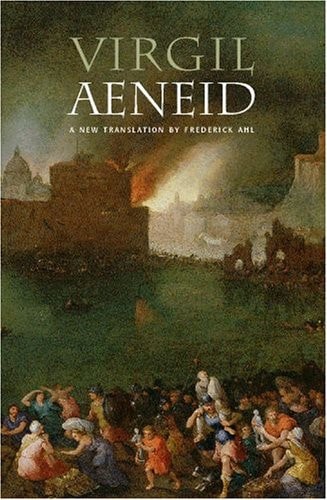
The Aeneid
0
0
As an Amazon Associate and affiliate partner, Menrva Books earns from qualifying purchases. Learn more
Author Description
"Arms and the man I sing." So begins one of the greatest works of literature in any language. Written more than two thousand years ago, The Aeneid tells the story of Aeneas' seven-year journey from the ruins of Troy to Italy, where he becomes the founding ancestor of Rome. Virgil's supreme achievement is not only to reveal Rome's imperial future, but to invest it with both passion and suffering for all those caught up in the fates of others. Frederick Ahl's new translation captures the excitement, poetic energy, and intellectual force of the original in a way that has never been done before. Ahl has used a version of Virgil's ancient hexameter, a swift-moving six-beat line varying between twelve and seventeen syllables, to reproduce the original poetry in a thrillingly accurate and engaging style. This is an Aeneid that the first-time reader can grasp and enjoy, and whose rendition of Virgil's subtleties of thought and language will enthrall those already familiar with the epic. Unlike most translators, Ahl has chosen to retain Virgil's word-play, the puns and anagrams and other instances of the poet's ebullient wit. "To shear away Virgil's luxuriance," Ahl writes, "is not to separate the painting from a (superfluous) gilded frame, but to lacerate the canvas. Like Shakespeare and the Greek tragedians, Virgil grasped that humor and earnestness are not mutually exclusive in art any more than they are in life. One should read the Aeneid not in solemn homage, but for enjoyment." Enhanced by Elaine Fantham's Introduction, Ahl's comprehensive notes, and an invaluable indexed glossary, this lively new translation brings readers closer to the original and the myriad enjoyments to be found there.
Menrva's Summary
THE PULSE
Following the destruction of Troy, the hero Aeneas navigates the wrath of the gods and the weight of destiny to establish a new home in Italy. Tasked by divine mandate to lead the remnants of his people to a promised land, Aeneas faces constant opposition from the goddess Juno and the harsh realities of a world governed by fate. The narrative follows his seven-year odyssey across the Mediterranean, detailing his encounters with hostile forces, his internal struggle between personal desire and duty, and the eventual conflict required to secure his people's future. Written in dactylic hexameter, the epic employs a third-person omniscient perspective that shifts between the mortal struggles of the Trojans and the machinations of the Olympian deities.
INSIDE THE PAGES
- Use of dactylic hexameter verse structure
- Incorporation of divine intervention and mythological prophecy
- Exploration of the tension between individual agency and predestination
- Detailed descriptions of ancient warfare and naval navigation
- Integration of political allegory regarding the origins of Rome
- Frequent use of epic similes and elevated rhetorical devices
- Focus on the themes of pietas and the cost of empire-building
- Inclusion of wordplay, puns, and nuanced linguistic wit
THE COLLECTIVE ECHO
Readers and scholars frequently analyze the text for its complex portrayal of Aeneas as a hero defined by duty rather than individual glory. Discussion often centers on the moral ambiguity of the Roman imperial project and the emotional toll exacted upon those caught in the path of destiny. Critics highlight the work's technical mastery, noting how the rhythmic structure enhances the urgency of the narrative events. Many readers find that the poem remains relevant due to its profound examination of human suffering and the cyclical nature of conflict. The balance between grand historical scope and intimate character moments continues to generate significant academic and popular discourse.
Page Count:
468
Publication Date:
2007-10-25
Publisher:
Oxford University Press
ISBN-10:
0192832069
ISBN-13:
9780192832061
Historical Fiction
Classical
Epic Poetry
Literary
Poetry
Mythology
Literature & Fiction
Aeneas Legendary Character
Roman
Community Tags
Other Editions(122)
Liveright Publishing Corporation
2026
Default edition
Les Prairies Numeriques
2026
Liveright Publishing Corporation
2025
W. W. Norton
2025
E-Kitap Projesi & Cheapest Books
2024
National Book Network
2024

Bibliotech Press
2023

Benediction Classics
2022
Benediction Classics
2022
Independently published
2022

University of Chicago Press
2022

True Sign Publishing House
2022

Independently Published
2021
Sanage Publishing House
2021

Alpha Editions
2021
Mint Editions
2021

Independently Published
2021

West Margin Press
2021

Independently Published
2021

Independently Published
2020
East India Publishing Company
2020

Hackett Publishing
2020
Macmillan Collector's Library
2020

Pan Macmillan
2020

Pan Macmillan UK
2020

Independently Published
2020

Hackett Publishing Company
2020

Independently Published
2019

Classic Comic Store, Limited
2019
Digireads.com Publishing
2019

Independent Publishers Group (Chicago Review Press)
2019

Independently Published
2018

CreateSpace Independent Publishing Platform
2018
CreateSpace Independent Publishing Platform
2018
CreateSpace Independent Publishing Platform
2018

CreateSpace Independent Publishing Platform
2018

CreateSpace Independent Publishing Platform
2018
CreateSpace Independent Publishing Platform
2018

CreateSpace Independent Publishing Platform
2018
CreateSpace Independent Publishing Platform
2017

CreateSpace Independent Publishing Platform
2017

CreateSpace Independent Publishing Platform
2017

University of Chicago Press
2017

CreateSpace Independent Publishing Platform
2017

CreateSpace Independent Publishing Platform
2017
CreateSpace Independent Publishing Platform
2017
Lulu.com
2017
Lulu.com
2017

CreateSpace Independent Publishing Platform
2017
CreateSpace Independent Publishing Platform
2017
CreateSpace Independent Publishing Platform
2017
CreateSpace Independent Publishing Platform
2017

McClelland & Stewart
2016

CreateSpace Independent Publishing Platform
2016

CreateSpace Independent Publishing Platform
2016

CreateSpace Independent Publishing Platform
2016

CreateSpace Independent Publishing Platform
2016
Simon & Schuster
2016
CreateSpace Independent Publishing Platform
2015
CreateSpace Independent Publishing Platform
2015
CreateSpace Independent Publishing Platform
2015

CreateSpace Independent Publishing Platform
2015

First Avenue Editions ™
2015
Passerino Editore
2015
First Avenue Editions
2015
CreateSpace Independent Publishing Platform
2014

CreateSpace Independent Publishing Platform
2014

CreateSpace Independent Publishing Platform
2014
CreateSpace Independent Publishing Platform
2013

Bottom of the Hill Publishing
2013

CreateSpace Independent Publishing Platform
2013
CreateSpace Independent Publishing Platform
2013

HarperCollins Publishers Limited
2013
HardPress
2013

Cambridge Scholars Publishing
2012

Cambridge Scholars Publishing
2012
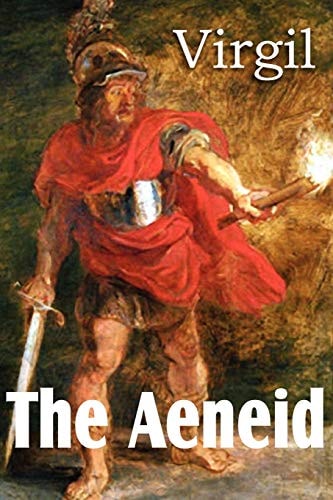
Bottom of the Hill Publishing
2011

Wildside Press, LLC
2011

CreateSpace Independent Publishing Platform
2011

Tantor Media, Incorporated
2010

CreateSpace Independent Publishing Platform
2009

Marco Book Company
2009

Oxford University Press España, S.A.
2009

ReadHowYouWant.com, Limited
2009

Dodo Press
2009
Penguin Publishing Group
2009
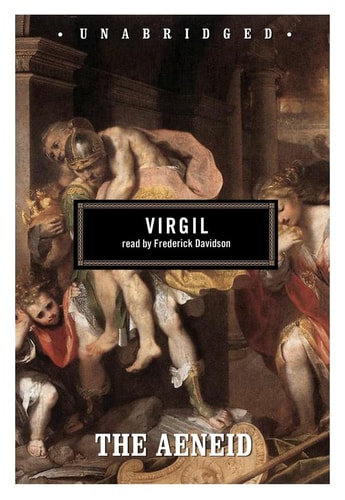
Blackstone Audio, Inc.
2008
Wildside Press, LLC
2008
Read Books
2007
Oxford University Press
2007

Filiquarian Publishing, LLC
2007

Wilder Publications
2007

Wilder Publications, Incorporated
2007

Barnes & Noble, Incorporated
2007
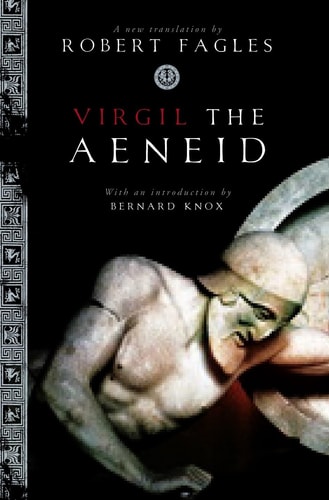
Penguin Books, Limited
2007

Echo Library
2006
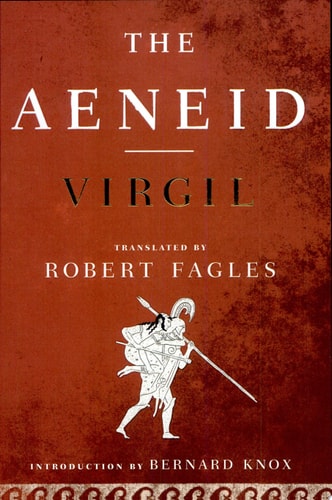
Penguin
2006

HighBridge Audio
2005

Digireads.com Publishing
2005

Collector's Library
2004
Borders
2004

CreateSpace Independent Publishing Platform
2003
Penguin UK
2003
Perfection Learning
2002

Signet Classic
2002

INDY PUB
2001

IndyPublish.com.
2001

INDY PUB
2001

IndyPublish.com.
2001

INDY PUB
2001

Wordsworth Editions
1997
Wordsworth Editions
1995
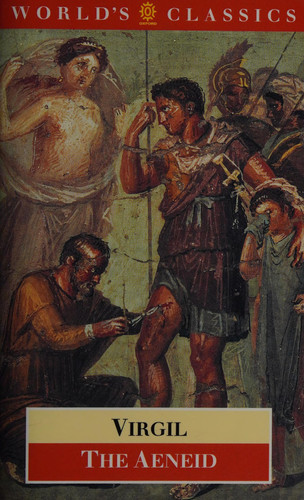
Oxford University Press
1986
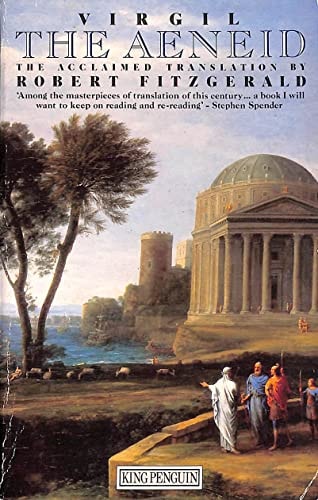
Penguin Books Ltd
1985

Harvill Press
1984

Cengage Gale
1983
Penguin Books
1962
Signet
1961
New American Library
1961

Clarendon Press
1957
A M S Press, Incorporated
1906

Project Gutenberg
1900
Similar Books




Reader Comments
Share Your Thoughts
No comments yet. Be the first to share your thoughts!