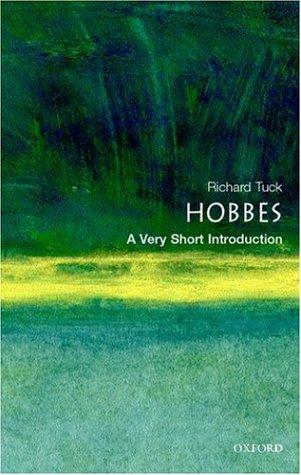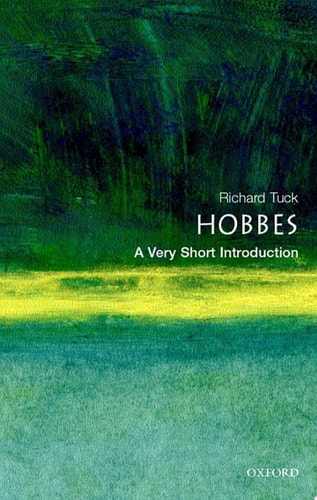
Hobbes
0
0
As an Amazon Associate and affiliate partner, Menrva Books earns from qualifying purchases. Learn more
Author Description
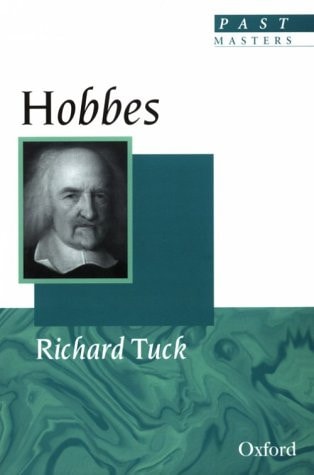
Author of Leviathan, one of the most enduring works of modern philosophy, Thomas Hobbes (1588-1679) is generally considered the first great English political philosopher. Richard Tuck's study explores Hobbes in the context of his age, revealing his passionate concern for the refutation of skepticism in both science and ethics, and his development of a theory of knowledge which rivalled that of Descartes in its importance in the formation of modern philosophy.
Menrva's Summary
THE THESIS
This work investigates the intellectual development of Thomas Hobbes, specifically addressing how his political philosophy emerged from his broader efforts to refute skepticism in science and ethics. Richard Tuck, a scholar of political thought, utilizes historical context and textual analysis to position Hobbes as a central figure in the formation of modern philosophy. The book argues that Hobbes's theory of knowledge was a significant rival to Cartesian thought, shaping the trajectory of seventeenth-century intellectual discourse.
THE SCOPE MAP
What You Will Find
- Historical analysis of seventeenth-century English political thought
- Examination of Hobbes's epistemological framework
- Comparative study of Hobbes and Descartes
- Contextualization of Leviathan within the author's wider body of work
Scope Limits
- Does not provide a comprehensive biography of Hobbes's personal life
- Does not offer a modern critique of Hobbesian political theory
THE AUTHORITY PERSPECTIVE
Scholars and students of political philosophy frequently cite this text as a concise and authoritative introduction to Hobbes's intellectual project. Readers often note the academic density of the prose, which assumes a foundational understanding of early modern philosophical debates.
Page Count:
144
Publication Date:
1989-07-06
Publisher:
Oxford University Press
ISBN-10:
0192876686
ISBN-13:
9780192876683
Philosophy
Biography
Modern Philosophy
History of Ideas