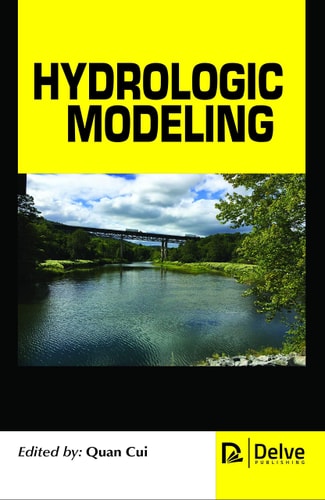
Hydrologic Modeling
0
0
As an Amazon Associate and affiliate partner, Menrva Books earns from qualifying purchases. Learn more
Author Description
As water is our precious natural resource, hydrology has evolved as a science to helping people understand how the water system works. Hydrologic models are usually simplified, conceptual or physical models which allow people simulate and predict water cycling procedures. In this book, we presented the state-of-the-art hydrological models and cases of their applications. Models type including statistic models like Mann-Kendall method, F-test method, stoichiometry method, merging different hydrologic software models, and building up new integrated models. Applications cases are used to simulate and predict water quality and quantity like runoffs for reservoirs and rivers, urban storm water, estuaries, regional water quantity assessment, sea-level rise on the coast. Some chapters discussed how to improve existing hydrologic models in the way of setting scenarios, how to combine satellite data with models, and downscale to localized the models. Research topics such as aquatic biogeochemistry, fate and transport of bacteria in a coastal area, water management policies, effects from weirs and beaver dams, are also addressed in this book.
Menrva's Summary
THE THESIS
This book presents the current state-of-the-art in hydrologic modeling and its diverse applications. It details various statistical and integrated models used to simulate and predict water cycling, addressing critical aspects of water resource management. The text covers a range of applications, from water quality and quantity assessments in reservoirs and rivers to urban storm water, estuaries, and the impacts of sea-level rise.
THE SCOPE MAP
- Statistical models including Mann-Kendall, F-test, and stoichiometry methods.
- Integration of different hydrologic software models and development of new, comprehensive models.
- Case studies on simulating and predicting water quality and quantity for reservoirs, rivers, urban storm water, and estuaries.
- Analysis of regional water quantity assessment and the effects of sea-level rise on coastal areas.
- Methods for improving existing hydrologic models through scenario setting and combining satellite data.
- Downscaling techniques for localized model application.
- Research topics such as aquatic biogeochemistry, bacterial fate and transport in coastal areas, water management policies, and the effects of weirs and beaver dams.
THE AUTHORITY PERSPECTIVE
This book appears to offer a comprehensive overview of hydrologic modeling, suitable for researchers and practitioners in the field. Its scope covers both established statistical methods and the development of advanced integrated models. The inclusion of diverse application cases and discussions on model improvement suggests a practical and forward-looking approach to water resource science.
Page Count:
276
Publication Date:
2017-11-01
Publisher:
Arcler Education Incorporated
ISBN-10:
1773611135
ISBN-13:
9781773611136
Science
Non-Fiction
Statistics
Modeling
Water Resources
Hydrology
Community Tags
Similar Books