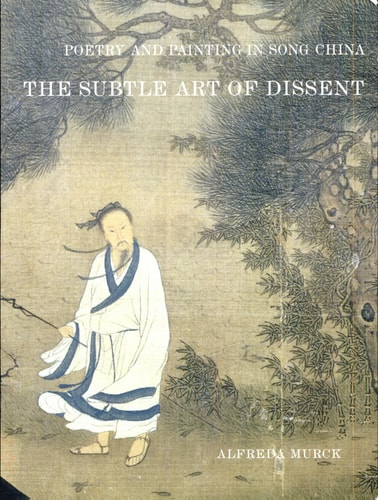
Poetry and Painting in Song China The Subtle Art of Dissent
0
0
As an Amazon Associate and affiliate partner, Menrva Books earns from qualifying purchases. Learn more
Author Description
Throughout the history of imperial China, the educated elite used various means to criticize government policies and actions. During the Song dynasty (960-1278), some members of this elite found an elegant and subtle means of dissent: landscape painting. By examining literary archetypes, the titles of paintings, contemporary inscriptions, and the historical context, Alfreda Murck shows that certain paintings expressed strong political opinions--some transparent, others deliberately concealed. She argues that the coding of messages in seemingly innocuous paintings was an important factor in the growing respect for painting among the educated elite and that the capacity of painting's systems of reference to allow scholars to express dissent with impunity contributed to the art's vitality and longevity.
Page Count:
406
Publication Date:
2000-01-01
Publisher:
Harvard Univ Asia Center
ISBN-10:
0674007824
ISBN-13:
9780674007826