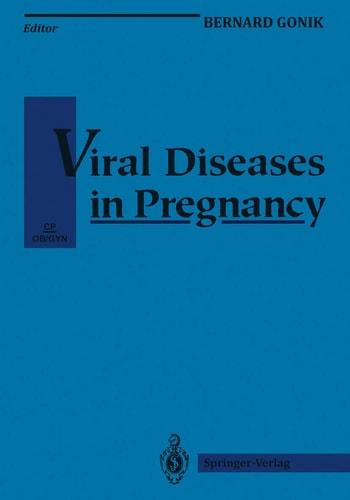
Viral Diseases in Pregnancy
0
0
As an Amazon Associate and affiliate partner, Menrva Books earns from qualifying purchases. Learn more
Author Description
The pregnant host is at risk for any of the viral diseases her nonpregnant counterpart acquires. Additionally, pregnancy heightens our concerns regarding specific viral diseases be cause of their potential for enhanced adverse effects on both maternal and fetal well-being. All too often the obstetrician relinquishes responsibility for the management of the gravida infected by a viral pathogen, and those expert in infectious diseases are confounded by the influence of pregnancy on these conditions. A major goal of this textbook is to narrow the gap between the two aforementioned management dichotomies in the virally infected pregnant woman. Weare at the infancy of our understanding of viral infections in pregnancy. The current and anticipated advancements are due in large part to a burgeoning of technological achievements in the areas of immunodiagnostics, molecular biology, and pharmacotherapeutics. Our in utero diagnostic capabilities, both invasive and noninvasive, have also allowed us new opportunities to study the effects of various maternal infectious disease processes on the developing fetus. New insights have been recognized pertaining to the maternal-fetal interface, the placenta, in that this structure is now acknowledged to function as both a mechanical and an immunological barrier to vertical transmission of infection. These observations suggest that there will be an outpouring of new data in the next several years that clinicians will need to master to maintain an appropriate level of expertise in the care of their patients.
Menrva's Summary
THE THESIS
This textbook aims to bridge the gap in managing viral infections in pregnant women, addressing the challenges faced by both obstetricians and infectious disease specialists. The pregnant host is susceptible to viral diseases, with pregnancy exacerbating concerns due to potential adverse effects on maternal and fetal well-being. Advancements in immunodiagnostics, molecular biology, and pharmacotherapeutics are rapidly expanding understanding, while in utero diagnostic capabilities offer new insights into fetal effects. The placenta's role as a barrier to vertical transmission is increasingly recognized, promising a wealth of new data for clinicians to master.
THE SCOPE MAP
- Management of viral diseases in the pregnant host.
- Enhanced adverse effects of specific viral diseases during pregnancy.
- Bridging the gap between obstetric and infectious disease management.
- Impact of technological advancements (immunodiagnostics, molecular biology, pharmacotherapeutics).
- In utero diagnostic capabilities (invasive and noninvasive).
- Maternal-fetal interface and placental function as a barrier.
- Vertical transmission of infection.
THE AUTHORITY PERSPECTIVE
This text addresses a critical intersection of obstetrics and infectious diseases, aiming to consolidate current knowledge and future directions in managing viral infections during pregnancy. The authors highlight the rapid evolution of the field due to technological advancements, suggesting a need for clinicians to stay abreast of new data. The book's focus on bridging management gaps indicates its utility for practitioners seeking to enhance their expertise in this complex area. The premise suggests a comprehensive overview for medical professionals involved in maternal and child health.
Page Count:
267
Publication Date:
1994-01-01
Publisher:
Springer
ISBN-10:
0387942076
ISBN-13:
9780387942070
Non-Fiction
Science
Obstetrics
Virology
Gynecology
Infectious Diseases
Community Tags
Similar Books