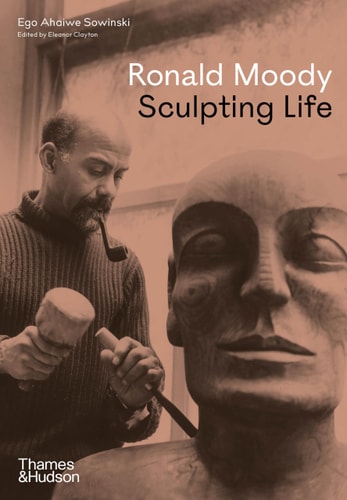
Ronald Moody: Sculpting Life
0
0
As an Amazon Associate and affiliate partner, Menrva Books earns from qualifying purchases. Learn more
Author Description
The first major monograph on sculptor Ronald Moody, exploring his legacy and impact through his key works and artistic relationships, networks and influences. Ronald Moody is a significant artist of the twentieth century, yet until now there has been no comprehensive monograph on his work. This biography explores the development of his sculpture, reestablishing his place within the story of twentieth-century art. Born in Jamaica, Moody arrived in Britain in 1923, establishing studios in London and Paris. In 1939, his works were shown alongside African American artists in a large survey exhibition at the Baltimore Museum of Art. By 1941 he had produced some forty known sculptures in bronze and wood, and was regularly exhibiting internationally. Immersed in the art world, he formed friendships with journalists, actors, and artists including Marie Seton, Wifredo Lam, and Man Ray, until forced to flee the Nazi occupation of Paris in 1940. Back in London, he continued to work and exhibit for nearly half a century, accepting the prestigious Gold Musgrave Medal from the Institute of Jamaica for his eminence as an international sculptor in 1977. Contributions by those who knew him--Paul Dash, David A. Bailey, Cynthia Moody, Errol Lloyd, and Val Wilmer--punctuate Ego Ahaiwe Sowinski's account exploring the artist's work and broader creative endeavors, including poetry and broadcasts for the BBC World Service. Scores of Moody's works are illustrated, from large-scale figurative sculptures carved in wood through to postwar experimentation with concrete and resin casting. These pieces are set within the context of his contemporaries Barbara Hepworth and Henry Moore, and artists he exhibited alongside, such as Althea McNish and Aubrey Williams, who were part of the group known as the Caribbean Artists Movement, of which Moody was a founding member.
Menrva's Summary
THE THESIS
This monograph reestablishes Ronald Moody's significant place in twentieth-century art history. The book explores the development of his sculpture, from his early works in bronze and wood to his postwar experimentation with concrete and resin casting. It examines his artistic relationships, networks, and influences, placing his work within the context of contemporaries like Barbara Hepworth and Henry Moore, as well as artists he exhibited alongside, such as those in the Caribbean Artists Movement, of which he was a founding member. The text also touches upon his broader creative endeavors, including poetry and BBC broadcasts.**
THE SCOPE MAP
- A comprehensive exploration of sculptor Ronald Moody's key works and artistic development.
- Analysis of his artistic relationships, networks, and influences within the twentieth-century art world.
- Contextualization of Moody's sculptures alongside contemporaries and fellow Caribbean Artists Movement members.
- Illustrations of numerous works, spanning figurative sculptures in wood to postwar concrete and resin casting.
- Details on his life, including his studios in London and Paris, and his flight from Nazi occupation.
- Information on his recognition, including the Gold Musgrave Medal in 1977.
- Contributions from individuals who knew Moody personally, offering unique insights.
THE AUTHORITY PERSPECTIVE
This monograph is the first major scholarly examination of Ronald Moody's oeuvre, aiming to reestablish his importance in twentieth-century art. The book draws on contributions from those who knew the artist, alongside detailed analysis of his sculptures, offering a multifaceted perspective on his career. It situates Moody within broader artistic movements and in relation to his contemporaries, providing a rich historical context. The inclusion of illustrations of his diverse body of work, from wood carvings to resin castings, supports its aim to comprehensively document his legacy.
Page Count:
256
Publication Date:
2024-01-01
Publisher:
Thames & Hudson
ISBN-10:
050002703X
ISBN-13:
9780500027035
Art
Biography
Non-Fiction
Art History
Sculpture
Community Tags
Similar Books