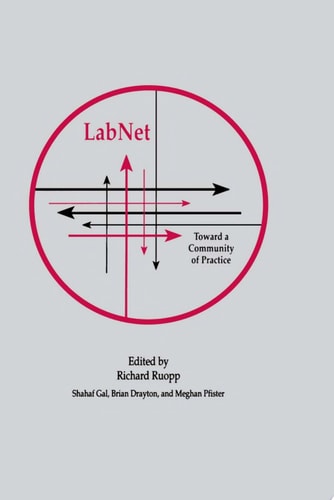
Labnet: Toward a Community of Practice
0
0
As an Amazon Associate and affiliate partner, Menrva Books earns from qualifying purchases. Learn more
Author Description
Connected by a computer telecommunications network, ninth-graders from eight high schools scattered thousands of miles across Alaska work together, building a robot submarine to gather samples from the floor of Prince William Sound. This is high school science as some teachers and educational reformers today envision it -- centered on student projects that encourage learning by doing...supported by modern technology...enriched by collaboration among students and teachers, both face to face and far apart. This example is drawn from LabNet, a three-year effort funded by the National Science Foundation. The project was conducted by Technical Education Research Centers (TERC), a nonprofit educational organization dedicated to improving mathematics and science education. Eventually reaching 562 teachers in 37 states, Puerto Rico, and American Samoa, LabNet had a direct impact on their classroom practice. In a follow-up evaluation, the majority said they had assigned their students more projects and had used LabNet's telecommunications network to exchange project ideas with other teachers. This book is the story of LabNet as told by its editors, with 14 additional essays on science projects -- both theoretical and practical -- by LabNet teachers and TERC staff.
Menrva's Summary
THE THESIS
This book chronicles LabNet, a National Science Foundation-funded initiative that transformed science education through technology and collaboration. The narrative, presented by the project's editors, details how ninth-graders across Alaska used a telecommunications network to build a robot submarine, embodying a vision of hands-on, project-centered learning. The book also includes essays from teachers and staff, reflecting on the project's broad impact on classroom practices and the exchange of pedagogical ideas.
THE SCOPE MAP
- A detailed account of the LabNet project, focusing on a specific robot submarine initiative involving high school students.
- Insights into the use of computer telecommunications networks to connect students and teachers across vast distances.
- Case studies and essays from 14 LabNet teachers and TERC staff on theoretical and practical science projects.
- An examination of how modern technology can enrich collaborative learning environments in science education.
- Data and reflections on the impact of LabNet on classroom practices, including increased student projects and inter-teacher idea exchange.
- Information on the National Science Foundation's funding and Technical Education Research Centers (TERC)'s role in the initiative.
THE AUTHORITY PERSPECTIVE
The book documents the LabNet initiative, highlighting its innovative approach to science education through technology and collaboration. The provided description indicates that the project reached a significant number of teachers, with a majority reporting changes in their classroom practices, such as assigning more projects and utilizing the network for idea exchange. The inclusion of essays from teachers and staff suggests a practical and reflective perspective on implementing such educational models. The framing points to a resource for educators interested in project-based learning and the integration of telecommunications in science curricula.
Page Count:
384
Publication Date:
2012-10-12
Publisher:
Routledge
ISBN-10:
1136477977
ISBN-13:
9781136477973
Science
Non-Fiction
Collaboration
Education
Science Education
Community Tags
Similar Books