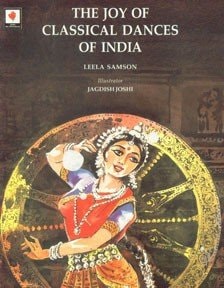
Author Description
English 40 (B & W figure 31) From the HISTORY AND MYTH History tells us that several centuries before the birth of Christ, India's art forms of dance, music and theatre were already highly developed. There was a glorious period, for instance, during the rule of the Chola dynasty in South India-rightly called the 'Golden Age', when all the arts flourished. Whether it was good governance at the village level, or the encouragement given to the living arts and sculpture, or the building of great temples-it all happened during the Chola period. The exquisite bronze statues of Nataraja and other deities that you see in museums are from that period. Yet, the dance we see on stage today has a history of only fifty to eighty years! And several events happened before these became known as artistic treasures around the world. When the British ruled our country, the temple was the centre of activity in a village and was for long, the only common place where the village community could meet. There were no halls, clubs or cinema theatres, as we have now. At this time, dancers performed in the temple lands and were employed by the temple. She performed on all festive occasions and had to be present for the daily rituals of the Lord. She was paid from temple funds and food grains for the dancers and their families came fro temple lands. The community of musicians and dancers was a poor one. They were also what community of musicians and dancers was a poor one. They were also what you might call 'schedule castes'. Perhaps in order to protect these families, there was a custom prevalent of her marrying the deity of the temple! This gave her dignity and payment for her work. As such, she was called a 'deva-daasi' or servant of the God. This cust
Page Count:
40
Publication Date:
2004-01-01
Publisher:
National Book Trust, India
ISBN-10:
812373977X
ISBN-13:
9788123739779