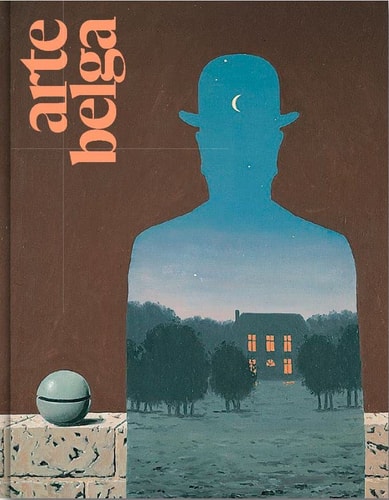
Arte belga: Del impresionismo a Magritte
0
0
As an Amazon Associate and affiliate partner, Menrva Books earns from qualifying purchases. Learn more
Author Description
Through more than seventy works from the Musée d?Ixelles in Brussels, this exhibition provides a comprehensive and unique overview of the main trends in Belgian art from the fin-de-siècle to the 1940s. Belgian art of this period characterised by an intense quest for modernity displays both international influences and specifically local features and is particularly notable for its advanced approaches and creative boldness and the tension between a strong attachment to reality and boundless imagination.0Belgian art of the late 19th century reflected the contradictions and paradigm shifts of a young nation experiencing rapid industrial development. Fascination with the modern world coexisted alongside a desire to flee from it and return to the bare essentials: mankind and nature. 0The influence of Gustave Courbet and the Barbizon school and their revolutionary naturalist painting, combined with a local tradition of attachment to reality, gave rise to a Belgian art focused on themes of modern, urban and rural life, which later evolved towards social realism at the end of the century (Constantin Meunier, Charles Degroux, Eugène Laermans).0Landscape painting also sought to return to a peaceful nature, at the same time providing a space for new modernist aesthetic explorations. Influenced by John Constable, William Turner and the Barbizon school, Belgian artists opted for freedom in their perception and interpretation of nature (Hippolyte Boulenger and Louis Artan). By exploring landscapes and capturing atmospheric variations, they gradually acquired greater freedom in their handling of light and colour and in their looser, more flexible and spontaneous painting techniques.00Exhibition: Museo Carmen Thyssen, Málaga, Spain (11.10.2022-05.03.2023).
Menrva's Summary
THE THESIS
This exhibition explores the evolution of Belgian art from the fin-de-siècle through the 1940s, highlighting its unique blend of international influences and local characteristics. The works presented, drawn from the Musée d'Ixelles, showcase a period of intense artistic innovation characterized by a quest for modernity, advanced approaches, and creative boldness. The art reflects the societal shifts of a rapidly industrializing nation, balancing fascination with the modern world against a desire for fundamental themes of humanity and nature. This overview traces the development from naturalist and social realist movements to landscape painting that embraced modernist aesthetics and freer techniques in light and color.
THE SCOPE MAP
- Overview of main trends in Belgian art from the fin-de-siècle to the 1940s.
- Features over seventy works from the Musée d'Ixelles.
- Examines the influence of Gustave Courbet and the Barbizon school.
- Discusses the development of Belgian art towards social realism.
- Analyzes landscape painting and its modernist aesthetic explorations.
- Highlights artists' evolving techniques in handling light and color.
- Showcases the tension between attachment to reality and boundless imagination in Belgian art.
- Contextualizes art within Belgium's rapid industrial development and societal changes.
THE AUTHORITY PERSPECTIVE
The exhibition, originating from the Musée d'Ixelles and presented at the Museo Carmen Thyssen, Málaga, offers a comprehensive survey of Belgian art during a pivotal period of modernization. The collection emphasizes the distinctive qualities of Belgian artists, who navigated international artistic currents while forging a unique national style characterized by daring creativity and a dynamic interplay between realism and imagination. The presentation traces the artistic lineage from naturalist and social realist painters to landscape artists who experimented with light and color, reflecting the broader societal transformations of the era.
Page Count:
197
Publication Date:
2022-01-01
Publisher:
Fundación Palacio de Villalón
ISBN-10:
841210773X
ISBN-13:
9788412107739
Non-Fiction
Art
Impressionism
Modern Art
Surrealism
Art History
Community Tags
Similar Books