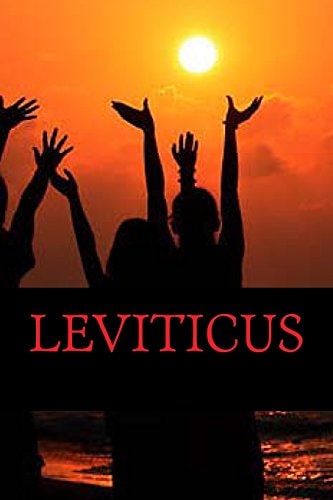
Leviticus
0
0
As an Amazon Associate and affiliate partner, Menrva Books earns from qualifying purchases. Learn more
Author Description
Leviticus is the third book of the Hebrew Bible, and the third of five books of the Torah (or Pentateuch). It is founded on two crucial beliefs: the first, that the world was created "very good" and retains the capacity to achieve that state although it is vulnerable to sin and defilement; the second, that the faithful enactment of ritual makes God's presence available, while ignoring or breaching it compromises the harmony between God and the world. The traditional view is that Leviticus was compiled by Moses, or that the material in it goes back to his time, but internal clues suggest that it originated in post-exilic (i.e., after c.538 BCE) Jewish worship centred on reading or preaching. Scholars are practically unanimous that the book had a long period of growth, that it includes some material of considerable antiquity, and that it reached its present form in the Persian period (538-332 BCE). The core ideas around which Leviticus develops are the holy character of God and the will of God for Israel's holiness. God's holiness, mankind's sinfulness, sacrifice, and God's presence in the sanctuary are the book's most common themes. With a clear, authoritative tone, the book sets forth instruction toward personal holiness at the urging of God. Leviticus is presented here in five different versions with chapter and verse commentary from Matthew Henry. The King James Version Douay-Rheims Version The American Standard Version Bible in Basic English Version Webster Bible Version Matthew Henry Commentary
Menrva's Summary
THE THESIS
The book of Leviticus explores the concept of holiness and the divine presence within the Israelite community. It is founded on the belief that the world, though good, is vulnerable to sin, and that faithful ritual enactment makes God's presence accessible, while transgression compromises this harmony. While traditionally attributed to Moses, scholarly consensus suggests a long period of development, with the book reaching its final form in the Persian period. The core ideas revolve around God's holy character and His will for Israel's holiness, with common themes including God's holiness, human sinfulness, sacrifice, and the divine presence in the sanctuary.
THE SCOPE MAP
- Analysis of the Hebrew Bible's third book, Leviticus, and its place within the Torah.
- Explanation of the foundational beliefs regarding the goodness of creation and the impact of sin and defilement.
- Discussion of how ritual enactment facilitates divine presence and the consequences of its neglect.
- Examination of the historical context, including traditional Mosaic authorship versus scholarly views on post-exilic origins.
- Identification of core themes: God's holiness, human sinfulness, sacrifice, and divine presence.
- Presentation of five different versions of Leviticus: King James Version, Douay-Rheims Version, American Standard Version, Bible in Basic English Version, and Webster Bible Version.
- Inclusion of chapter and verse commentary from Matthew Henry.
THE AUTHORITY PERSPECTIVE
This edition of Leviticus is presented with multiple Bible versions and extensive commentary from Matthew Henry, catering to readers seeking a deep dive into the text's theological and historical dimensions. The inclusion of various translations alongside a renowned commentary suggests an aim to provide a comprehensive resource for study and devotional reading. The scholarly notes on the book's origins and thematic development offer a framework for understanding its significance within religious scholarship. The overall presentation indicates a focus on detailed textual analysis and historical context for those interested in the foundational texts of the Hebrew Bible.
Page Count:
240
Publication Date:
2014-03-24
Publisher:
CreateSpace Independent Publishing Platform
ISBN-10:
1497441463
ISBN-13:
9781497441460
Religion
Non-Fiction
Commentary
Theology
Community Tags
Similar Books