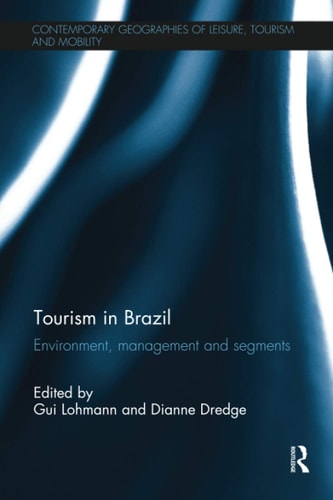
Tourism in Brazil: Environment, Management and Segments
0
0
As an Amazon Associate and affiliate partner, Menrva Books earns from qualifying purchases. Learn more
Author Description
Since the 1990s, tourism has become a major driver of economic activity and community development in Brazil. New policies and approaches, growing expertise and investment in tourism have brought significant transformation in tourism products, destination development and community involvement. In addition Brazil will be hosting two major sport events in the years ahead, i.e. the Soccer World Cup, in 2014, and the Olympic Games in Rio de Janeiro, in 2016. Brazil offers many cultural and natural attractions but, similar to many other developing countries, it still struggles with issues such as infrastructure, accessibility, product development, service quality, market access and workforce training. This book provides an in-depth examination of tourism in Brazil, critically reviewing its development and management. The social, economic, political and environmental contexts of this emerging global power provide an intriguing backdrop. The book considers important development issues such as the changing policy context, community benefit tourism and indigenous tourism. It explores the impacts of tourism on the environment, changing community attitudes towards tourism, transport infrastructure and sustainability issues in events. Particular segments are explored including backpacker tourism, sensual tourism, adventure tourism and ecotourism and the implications for tourism research and education are examined. The book draws from theoretical foundations and practical insights, and gives voice to Brazilian researchers who are actively engaged in researching tourism. Drawing from cutting edge cross-cultural research, this original and timely book will be of interest to students, researchers and academics in the areas of Tourism, Geography and related disciplines.
Menrva's Summary
THE THESIS
This book critically examines the development and management of tourism in Brazil, a sector that has significantly driven economic and community growth since the 1990s. The text delves into the evolving policy landscape, community benefit tourism, and indigenous tourism, set against the backdrop of Brazil's social, economic, political, and environmental contexts. It analyzes the impacts of tourism on the environment, shifts in community attitudes, transport infrastructure, and sustainability concerns, particularly in light of major sporting events like the 2014 Soccer World Cup and the 2016 Olympic Games. The book also explores specific tourism segments such as backpacker, sensual, adventure, and ecotourism, drawing on theoretical foundations and practical insights from Brazilian researchers.
THE SCOPE MAP
- Examination of tourism's role as an economic and community development driver in Brazil since the 1990s.
- Analysis of new policies, growing expertise, and investment transforming tourism products and destination development.
- Discussion of challenges faced by Brazil, including infrastructure, accessibility, product development, service quality, market access, and workforce training.
- In-depth review of the social, economic, political, and environmental contexts influencing tourism in Brazil.
- Consideration of key development issues like changing policy, community benefit tourism, and indigenous tourism.
- Exploration of tourism's environmental impacts, changing community attitudes, transport infrastructure, and event sustainability.
- Analysis of specific tourism segments: backpacker tourism, sensual tourism, adventure tourism, and ecotourism.
- Examination of implications for tourism research and education, incorporating insights from Brazilian researchers.
THE AUTHORITY PERSPECTIVE
This book offers a comprehensive analysis of tourism in Brazil, addressing critical development and management issues. It is structured to appeal to students, researchers, and academics in Tourism and Geography, providing both theoretical grounding and practical insights from local experts. The work is timely, given Brazil's hosting of major international sporting events and its ongoing efforts to balance tourism growth with environmental and community concerns. The inclusion of cross-cultural research and a focus on specific segments like ecotourism and adventure tourism positions it as a valuable resource for understanding contemporary tourism dynamics in a developing global power.
Page Count:
214
Publication Date:
2017-01-01
Publisher:
Routledge
ISBN-10:
1138081493
ISBN-13:
9781138081499
Non-Fiction
Travel
Business
Ecotourism
Community Development
Management
Tourism
Environment
Community Tags
Similar Books