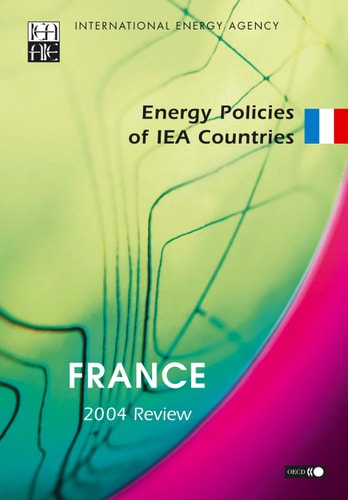
Energy Policies of IEA Countries - France 2004 Review
0
0
As an Amazon Associate and affiliate partner, Menrva Books earns from qualifying purchases. Learn more
Author Description
French energy policy - traditionally characterised by centralisation and strong government involvement - has been largely successful in achieving energy security, environmental protection and economic efficiency. The country must now adapt to a changing European energy context in which competition and an increased international scope will play important roles. France has established a sound framework for its liberalised electricity and natural gas markets, including independent transmission/transportation companies, an energy regulator and third-party network access. It has opened markets in line with EU Directives and is transforming the statutes of the state-owned utilities to those of ordinary companies. The next step is to examine how incumbent market power and government options to influence the generation portfolio might affect competition. France is encouraged to finalise the new Climate Plan and to implement its policies as soon as possible. The government has already announced a number of ambitious programmes to cut emissions, including targets for renewable energy production and energy efficiency and ways to cut CO2 emissions by 75% by 2050. It should proceed with these programmes, among them the promising White Certificates system for energy efficiency, while fully analysing their costs and benefits. France has wisely opted to keep its nuclear option open by maintaining its technical resources in this field and considering a new EPR "demonstration" unit. This plant should be developed under market conditions.
Menrva's Summary
THE THESIS
France's energy policy, historically centralized, faces adaptation to a liberalized European energy market while maintaining its success in energy security, environmental protection, and economic efficiency. The nation has established a robust framework for its electricity and natural gas markets, including independent transmission companies, an energy regulator, and third-party network access, aligning with EU Directives. The primary challenge now involves assessing how incumbent market power and governmental influence on generation portfolios might impact competition. France is urged to expedite the implementation of its new Climate Plan, which includes ambitious targets for renewable energy, energy efficiency, and significant CO2 emission reductions by 2050.
THE SCOPE MAP
- Analysis of France's traditional centralized energy policy and its successes.
- Examination of the evolving European energy context and its implications for France.
- Details on the framework for liberalized electricity and natural gas markets, including independent transmission companies, an energy regulator, and third-party network access.
- Discussion on the transformation of state-owned utilities into ordinary companies.
- Assessment of potential impacts of incumbent market power and government influence on competition.
- Review of the new Climate Plan, including targets for renewable energy production and energy efficiency.
- Evaluation of programs to cut CO2 emissions by 75% by 2050.
- Consideration of the 'White Certificates' system for energy efficiency and its cost-benefit analysis.
- Discussion on France's strategy to maintain its nuclear option and the potential development of a new EPR unit under market conditions.
THE AUTHORITY PERSPECTIVE
This review of France's energy policies is presented as an analysis of its historical successes and future challenges within the context of a changing European energy landscape. The report highlights the country's established market frameworks and encourages the swift implementation of climate initiatives, including ambitious emission reduction targets and energy efficiency programs. It also notes France's strategic decision to maintain its nuclear capabilities. The document serves as a policy recommendation and assessment from the International Energy Agency.
Page Count:
174
Publication Date:
2004-01-01
Publisher:
OECD
ISBN-10:
9264107975
ISBN-13:
9789264107977
Economics
Non-Fiction
Politics
Energy Efficiency
Electricity Markets
Energy policy
Community Tags
Similar Books