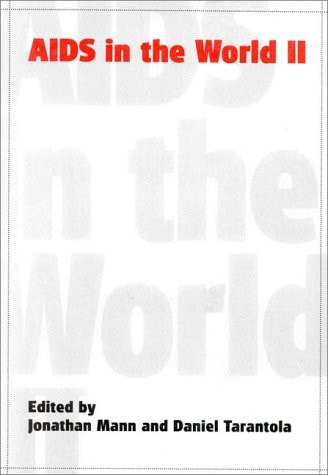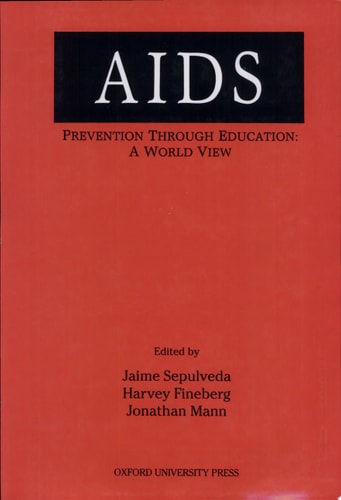
AIDS Prevention through Education: A World View
0
0
As an Amazon Associate and affiliate partner, Menrva Books earns from qualifying purchases. Learn more
Author Description
A decade after AIDS was first recognized, the simple idea that education is the most effective weapon to prevent infection remains valid. This is true because AIDS will not disappear, just as the majority of infectious diseases have not disappeared, even those for which effective methods of treatment and prevention already exist. Therefore, education is not a transitory strategy; if and when effective drugs and vaccines are developed, education will still play a major role in contending with the epidemic. Enough has been learned about AIDS prevention through education during the last decade to merit reflection on both the failures and successes of this short, tragic but also intense and vital period. The original education models based on fear have been replaced with more optimistic and even humorous campaigns. Health promotion has moved to center stage in the global fight against AIDS. This book is an effort to collect and organize a wealth of global experience from many experts and to consolidate new information. Included among the variety of strategies are discussions of the role of both the print and electronic media in the national fight, as well as presentations of international lessons gleaned from community and regional efforts in Brazil, Africa, Mexico and Europe. The book offers the reader a range of views and perspectives from experts in the varied disciplines that make up the very broad field of AIDS education. This timely, important volume offers AIDS researchers, clinicians, and educators, as well as public health and infectious disease professionals key, practical insights for global AIDS prevention.
Menrva's Summary
THE THESIS
This volume investigates the efficacy of educational strategies as the primary mechanism for global AIDS prevention in the decade following the disease's initial recognition. The authors, including prominent public health experts Harvey V. Fineberg, Jaime Sepulveda, and Jonathan Mann, synthesize a decade of international data to argue that education remains a permanent, non-transitory necessity in epidemic management. By analyzing the shift from fear-based messaging to health promotion, the text provides a framework for understanding how communication strategies must evolve alongside medical advancements.
THE SCOPE MAP
What You Will Find
- Comparative analysis of AIDS prevention campaigns across Brazil, Africa, Mexico, and Europe.
- Evaluation of the role of print and electronic media in national health communication strategies.
- Synthesis of global expert perspectives on health promotion and community-based intervention.
- Assessment of the transition from fear-based messaging to optimistic and humor-based public health models.
THE AUTHORITY PERSPECTIVE
Experts recognize this work as a foundational historical document that captures the early evolution of global AIDS policy and public health communication. The text is frequently cited for its practical insights into the multidisciplinary challenges faced by clinicians and educators during the height of the epidemic.
Page Count:
384
Publication Date:
1993-01-07
Publisher:
Oxford University Press
ISBN-10:
0195068823
ISBN-13:
9780195068825
History
AIDS Disease
Public Health
Sociology
Infectious Disease
Medicine
Health education
Community Tags
Similar Books