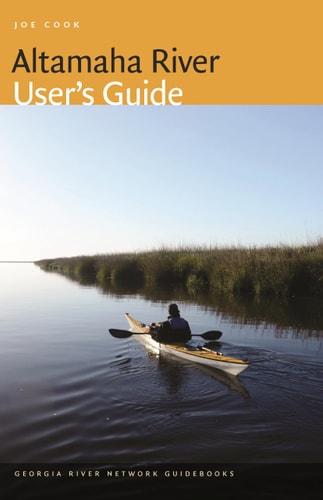
Altamaha River User's Guide
0
0
As an Amazon Associate and affiliate partner, Menrva Books earns from qualifying purchases. Learn more
Author Description
In the Altamaha River User's Guide, both novice and experienced water sports enthusiasts will find all the information required to enjoy the full length of the 137-mile river formed at the confluence of the Oconee and Ocmulgee Rivers east of Lumber City, Georgia, as well as its major tributary, the Ohoopee, which winds some 120 miles through south-central Georgia. The drainage basin of the largest river in Georgia is about 14,000 square miles in size, qualifying it among the larger river basins of the U.S. Atlantic coast. At least 120 species of rare or endangered plants and animals live in the Altamaha River watershed, including 18 species of freshwater mussels, 7 of which are endemic to the Altamaha. The river basin is also home to federally protected Atlantic and shortnose sturgeons and supports the only known example of old-growth longleaf pine and black oak forest in the United States. The unusual Franklin tree (Franklinia altamaha), now extinct in the wild, was found by British naturalist John Bartram along the Altamaha in 1765. Because of its rich biodiversity, the Altamaha is often referred to as Georgia's Little Amazon. The river passes through sparsely populated land, with Brunswick, Savannah, and Jesup being the largest nearby cities, yet owing to its importance in the history of Georgia-from the first settlements at Darien through the steamboat era of the late 1800s and early 1900s-the river holds a special place in the state's cultural history. Indeed, its headwater streams stretch all the way to metro Atlanta and Athens. In tandem with the already published Oconee and Ocmulgee River User's Guides, the publication of the Altamaha River User's Guide completes UGA Press's documentation of Georgia's largest river system. Author Joe Cook includes detailed maps, put-in and takeout suggestions, fishing and camping locations, mile-by-mile points of interest, and an illustrated guide to the animal
Menrva's Summary
THE THESIS
This guide aims to provide comprehensive information for navigating and appreciating the Altamaha River and its tributary, the Ohoopee River. It details the ecological significance, historical context, and practical aspects of enjoying Georgia's largest river system for both novice and experienced users.
THE SCOPE MAP
- Detailed maps of the Altamaha River and Ohoopee River.
- Put-in and takeout suggestions for watercraft.
- Information on fishing and camping locations.
- Mile-by-mile points of interest along the river.
- An illustrated guide to the local fauna.
- Details on the river's rich biodiversity, including rare and endangered species.
- Historical context from early settlements to the steamboat era.
THE AUTHORITY PERSPECTIVE
This guide is presented as a comprehensive resource, completing a documentation series of Georgia's largest river system. Its detailed maps, practical suggestions for access and recreation, and rich descriptions of natural and historical points of interest suggest it is intended for anyone seeking to explore the Altamaha River. The inclusion of ecological data and historical context indicates a thorough approach to understanding the river's significance.
Page Count:
228
Publication Date:
2024-01-01
Publisher:
University of Georgia Press
ISBN-10:
0820364266
ISBN-13:
9780820364261
Non-Fiction
Nature
History
Travel
Guidebooks
Community Tags
Similar Books