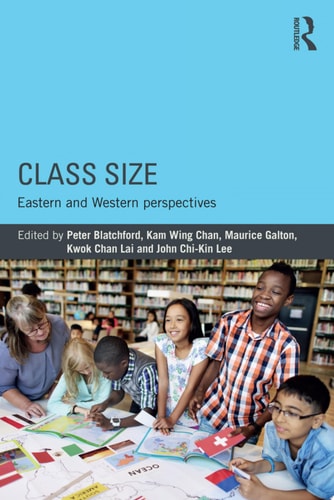
Class Size: Eastern and Western Perspectives
0
0
As an Amazon Associate and affiliate partner, Menrva Books earns from qualifying purchases. Learn more
Author Description
Much debate, research and commentary about class sizes in schools is limited because of an exclusive concern with class size and pupil academic attainment, and a neglect of classroom processes, which might help explain class size effects (or lack of them). Very little is known about the central question: how can teachers make the most of class size changes? Much of the commentary on class size effects has focused on Western and English-speaking countries but there are promising developments elsewhere, particularly the 'Small Class Teaching' initiatives in East Asia in the past decade, which have brought new knowledge and practical wisdom to the class size debate. This book seeks to move toward a clearer view of what we know and do not know about class size effects, and to identify future steps in terms of policy and research. There is a huge and exciting potential for international collaboration on knowledge concerning class size effects which can help with research-informed policy. The book aims to draw out Eastern and Western international contexts which underpin any understanding of the role of class size in school learning. The book has chapters by an international team of experts on class size effects, including Maurice Galton and John Hattie. Chapters are organised into four main sections: Socio-cultural and political contexts to the class size debate in the East and West; Research evidence on class size; Class size and classroom processes likely to be related to class size changes; Professional development for small class teaching in East Asia.
Menrva's Summary
THE THESIS
This book investigates the complex relationship between class size and educational outcomes, moving beyond a narrow focus on academic attainment to explore the crucial role of classroom processes and pedagogical strategies. It addresses the limitations of existing research, which often overlooks how teachers can best adapt to changes in class size, and highlights promising developments in East Asia, particularly 'Small Class Teaching' initiatives, which offer new insights. By drawing on Eastern and Western international contexts, the book aims to clarify current knowledge, identify gaps, and propose future directions for policy and research, fostering international collaboration on this vital educational topic.
THE SCOPE MAP
- Socio-cultural and political contexts of the class size debate in Eastern and Western countries.
- Empirical research evidence on the effects of class size.
- Analysis of classroom processes and their relationship to class size changes.
- Exploration of professional development strategies for small class teaching in East Asia.
- Comparative perspectives on class size policy and research.
- Insights from international experts in the field of class size effects.
THE AUTHORITY PERSPECTIVE
This book is positioned as a significant contribution to the class size debate, aiming to synthesize existing knowledge and identify future research and policy directions. The inclusion of chapters by international experts and a focus on both Western and East Asian contexts suggests a comprehensive and comparative approach. The work appears designed to inform educators, policymakers, and researchers by providing a nuanced understanding of class size effects beyond simple academic attainment, emphasizing the importance of classroom processes and pedagogical adaptation.
Page Count:
312
Publication Date:
2016-04-28
Publisher:
Routledge
ISBN-10:
1317643488
ISBN-13:
9781317643487
Non-Fiction
History
Politics
Education
Sociology
International Studies
Community Tags
Similar Books