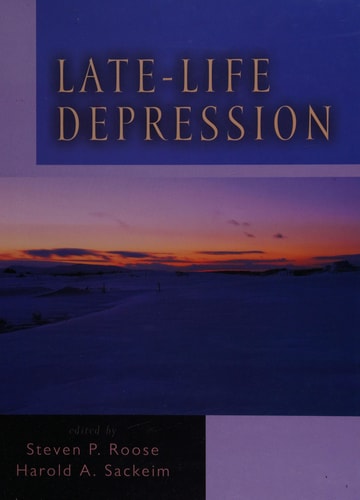
Late-Life Depression
0
0
As an Amazon Associate and affiliate partner, Menrva Books earns from qualifying purchases. Learn more
Author Description
We live in an aging world. Illnesses that are prevalent and cause significant morbidity and mortality in older people will consume an increasing share of health care resources. One such illness is depression. This illness has a particularly devastating impact in the elderly because it is often undiagnosed or inadequately treated. Depression not only has a profound impact on quality of life but it is associated with an increased risk of mortality from suicide and vascular disease. In fact for every medical illness studied, e.g. heart disease, diabetes, cancer, individuals who are depressed have a worse prognosis. Research has illuminated the physiological and behavioral effects of depression that accounts for these poor outcomes. The deleterious relationship between depression and other illnesses has changed the concept of late-life depression from a "psychiatric disorder" that is diagnosed and treated by a psychiatrist to a common and serious disorder that is the responsibility of all physicians who care for patients over the age of 60.This is the first volume devoted to the epidemiology, phenomenology, psychobiology, treatment and consequences of late-life depression. Although much has been written about depressive disorders, the focus has been primarily on the illness as experienced in younger adults. The effects of aging on the brain, the physiological and behavioral consequences of recurrent depression, and the impact of other diseases common in the elderly, make late-life depression a distinct entity. There is a compelling need for a separate research program, specialized treatments, and a book dedicated to this disorder. This book will be invaluable to psychiatrists, gerontologists, clinical psychologists, social workers, students, trainees, and others who care for individuals over the age of sixty.
Menrva's Summary
THE THESIS
This volume investigates the distinct clinical, physiological, and epidemiological characteristics of depression in the elderly population. Authors Harold A. Sackeim and Steven P. Roose, both established experts in psychiatric research, argue that late-life depression is a unique medical entity rather than a standard psychiatric disorder. They present a comprehensive framework that integrates the effects of aging on the brain with the comorbid impact of chronic physical illnesses, advocating for a multidisciplinary approach to diagnosis and treatment among all physicians caring for patients over age 60.
THE SCOPE MAP
What You Will Find
- Comprehensive analysis of the epidemiology and phenomenology of depression in older adults.
- Examination of the psychobiological mechanisms linking depression to increased mortality and vascular disease.
- Review of specialized treatment protocols tailored for geriatric patients.
- Discussion of the interplay between recurrent depression and age-related physiological decline.
THE AUTHORITY PERSPECTIVE
Experts identify this work as a foundational text for clinicians and researchers addressing the specific needs of the aging population. Readers frequently note the academic density of the prose, which serves as a primary reference for psychiatrists and gerontologists.
Page Count:
420
Publication Date:
2004-07-15
Publisher:
Oxford University Press
ISBN-10:
0195152743
ISBN-13:
9780195152746
Psychology
Geriatric psychiatry
Medicine
Psychiatry
Mental Health
Older people
Gerontology
Community Tags
Similar Books