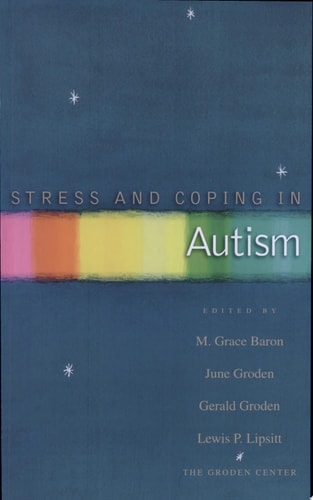
Stress and Coping in Autism
0
0
As an Amazon Associate and affiliate partner, Menrva Books earns from qualifying purchases. Learn more
Author Description
This important volume provides a theoretical framework for the usefulness of the stress construct in understanding and treating autism. Contributions by researchers, clinicians, teachers and persons living with autism illustrate how stress influences the lives of persons with autism; how those touched by autism cope with stress; and how clinicians, teachers and caregivers can reduce the impact of stress in autism.The authors explore how stress contributes to the physiological, psychological, and overt behavioral manifestations of autism. Narratives by individuals with autism, family members, clinicians, and a musician help the reader to understand in a rich and unique way the role and impact stress can have in the life of people living with autism and also highlight creative coping strategies over a lifetime. Clinicians and educators offer a range of intervention and instructional strategies to reduce stress and to prevent or alleviate anxiety and other disruptive responses inherent in autism. This volume's biological, psychological and social perspectives on stress and autism reflect many modes of inquiry and types of information. Stress, Coping and Autism will be of great help to mental health professionals, researchers and caregivers alike.
Menrva's Summary
THE THESIS
This volume investigates the role of stress as a central construct for understanding the behavioral, physiological, and psychological manifestations of autism. The authors, a multidisciplinary team of researchers and clinicians, synthesize biological, psychological, and social perspectives to provide a comprehensive framework for intervention. By integrating empirical research with personal narratives, the text argues that identifying stress triggers is essential for developing effective coping strategies and improving quality of life for individuals on the spectrum.
THE SCOPE MAP
What You Will Find
- Theoretical framework linking stress constructs to autism spectrum disorders
- Physiological and psychological analysis of stress-induced behavioral manifestations
- Qualitative data derived from personal narratives of individuals with autism and their caregivers
- Clinical and instructional intervention strategies for reducing anxiety and disruptive responses
THE AUTHORITY PERSPECTIVE
Professionals and caregivers frequently cite this work as a foundational resource for its balanced integration of clinical research and lived experience. The text is noted for its accessibility to both mental health practitioners and families seeking practical, evidence-based coping mechanisms.
Page Count:
472
Publication Date:
2006-07-13
Publisher:
Oxford University Press
ISBN-10:
019518226X
ISBN-13:
9780195182262
Psychology
Mental Health
Caregiving
Special Education
Autism
Community Tags
Similar Books