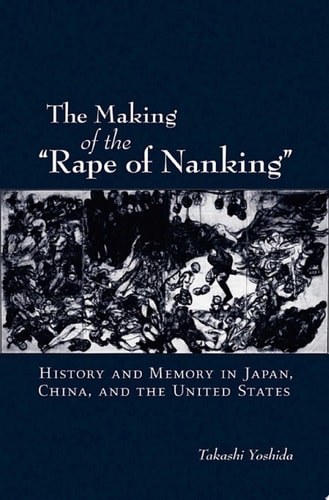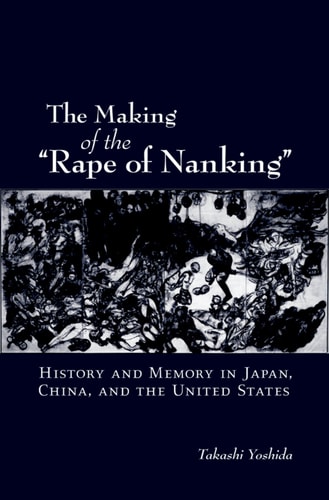
The Making of "The Rape of Nanking": History and Memory in Japan, China, and the United States
0
0
As an Amazon Associate and affiliate partner, Menrva Books earns from qualifying purchases. Learn more
Author Description
On December 13, 1937, the Japanese army attacked and captured the Chinese capital city of Nanjing, planting the rising-sun flag atop the city's outer walls. What occurred in the ensuing weeks and months has been the source of a tempestuous debate ever since.It is well known that the Japanese military committed wholesale atrocities after the fall of the city, massacring large numbers of Chinese during the both the Battle of Nanjing and in its aftermath. Yet the exact details of the war crimes--how many people were killed during the battle? How many after? How many women were raped? Were prisoners executed? How unspeakable were the acts committed?--are the source of controversy among Japanese, Chinese, and American historians to this day.In The Making of the "Rape of Nanking Takashi Yoshida examines how views of the Nanjing Massacre have evolved in history writing and public memory in Japan, China, and the United States. For these nations, the question of how to treat the legacy of Nanjing--whether to deplore it, sanitize it, rationalize it, or even ignore it--has aroused passions revolving around ethics, nationality, and historical identity. Drawing on a rich analysis of Chinese, Japanese, and American history textbooks and newspapers, Yoshida traces the evolving--and often conflicting--understandings of the Nanjing Massacre, revealing how changing social and political environments have influenced the debate. Yoshida suggests that, from the 1970s on, the dispute over Nanjing has become more lively, more globalized, and immeasurably more intense, due in part to Japanese revisionist history and a renewed emphasis on patriotic education in China.While today it is easy to assume that the Nanjing Massacre has always been viewed as an emblem of Japan's wartime aggression in China, the image of the "Rape of Nanking" is a much more recent icon in public consciousness. Takashi Yoshida analyzes the process by which the Nanjing Massacre has become an international symbol, and p
Menrva's Summary
THE THESIS
How has the Nanjing Massacre been constructed, contested, and transformed into a symbol of national identity and historical memory within Japan, China, and the United States? Takashi Yoshida, a scholar specializing in modern Japanese history, investigates the divergence in historical narratives surrounding the 1937 atrocities. By analyzing a vast array of primary sources, including textbooks, newspapers, and public discourse, he argues that the memory of the event is not static but is actively shaped by shifting political climates, nationalist agendas, and evolving social environments in each of the three nations.
THE SCOPE MAP
What You Will Find
- Comparative analysis of history textbooks from Japan, China, and the United States across several decades.
- Examination of media coverage and public discourse regarding the Nanjing Massacre from the post-war era to the present.
- Investigation into the rise of Japanese revisionist history and its impact on international diplomatic relations.
- Assessment of how patriotic education and state-sponsored narratives in China have influenced the global perception of the event.
THE AUTHORITY PERSPECTIVE
Experts recognize this work as a critical contribution to the study of collective memory and historiography in East Asia. Readers frequently note the academic rigor of the text, which provides a balanced and nuanced perspective on a highly contentious historical subject.
Page Count:
280
Publication Date:
2009-03-04
Publisher:
Oxford University Press
ISBN-10:
0195383141
ISBN-13:
9780195383140
History
Historiography
Asian History
Military History
International relations
Community Tags
Similar Books