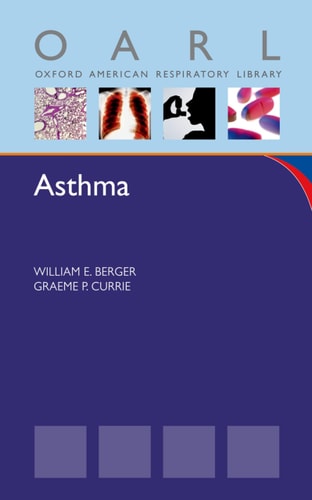
Asthma
0
0
As an Amazon Associate and affiliate partner, Menrva Books earns from qualifying purchases. Learn more
Author Description
Asthma is a common, chronic inflammatory condition affecting the airways and displays a varied phenotypic picture. It is becoming increasingly recognized by healthcare workers and epidemiological studies suggest that along with other atopic diseases, its prevalence is rising. The precise etiology of asthma remains uncertain, but genetic and environmental factors such as viruses, country of origin, allergen exposure, early use of antibiotics, and the number of siblings have all been implicated in its inception and development. Pathologically, it is characterized by inflammation, physiologically by airway hyper-responsiveness (or hyper-reactivity) resulting in reversible airflow obstruction and clinically, by wheezing, chest tightness, breathlessness, and coughing. It can present itself in early childhood, as well as adulthood, and varies markedly in severity, clinical course, subsequent disability, and response to treatment. Exacerbations and symptons of asthma are the final manifestation of a complex interplay between an array of inflammatory cells and mediators, which cause airway smooth muscle to intermittently relax and contract. Despite greater knowledge surrounding the immunopathological origins of asthma and considerable advances in its management, it remains one of the most important chronic dieases in young adults, and poses a significant degree of morbidity throughout all age groups. A minority of patients experience difficulty in controlling asthma and pose significant therapeutic difficulties in specialist clinics. Exacerbations of asthma contribute to significant costs for healthcare systems and are implicated in adversely affecting the quality of life of individuals and their families. Moreover, although asthma deaths have decreased over the past few decades, an appreciable number of deaths still occur each year. Regular anti-inflammatory therapy with inhaled corticosteroids is required in all but the mildest of disease and attenuates underlying airway
Menrva's Summary
THE THESIS
This text investigates the complex etiology, clinical presentation, and management strategies of asthma as a chronic inflammatory condition. Dr. William Berger, a medical professional, synthesizes current epidemiological data and immunopathological research to explain why this condition remains a significant source of global morbidity. The book outlines the interplay between genetic predispositions and environmental triggers, providing a framework for understanding why asthma varies so drastically in severity and treatment response across different patient populations.
THE SCOPE MAP
What You Will Find
- Analysis of environmental and genetic factors contributing to asthma development.
- Pathological overview of airway inflammation and hyper-responsiveness.
- Clinical diagnostic criteria including wheezing, chest tightness, and airflow obstruction.
- Evaluation of therapeutic management strategies, specifically the role of inhaled corticosteroids.
THE AUTHORITY PERSPECTIVE
Medical professionals and students frequently utilize this text as a concise overview of the mechanisms behind chronic airway inflammation. Experts highlight the book's utility in bridging the gap between basic immunopathology and the practical challenges of managing difficult-to-control cases in clinical settings.
Page Count:
112
Publication Date:
2009-06-01
Publisher:
Oxford Univ Pr
ISBN-10:
0195384385
ISBN-13:
9780195384383
Health
Reference
Asthma
Pulmonology
Chronic Disease
Medical
Community Tags
Similar Books