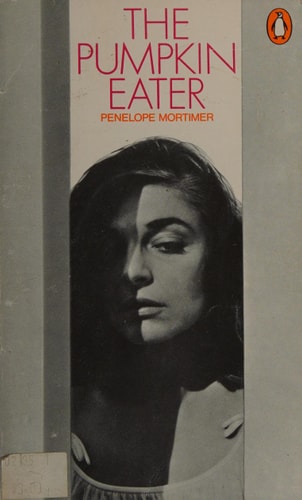
The Pumpkin Eater
0
0
As an Amazon Associate and affiliate partner, Menrva Books earns from qualifying purchases. Learn more
Author Description
The Pumpkin Eater is a surreal black comedy about the wages of adulthood and the pitfalls of parenthood. A nameless woman speaks, at first from the precarious perch of a therapist’s couch, and her smart, wry, confiding, immensely sympathetic voice immediately captures and holds our attention. She is the mother of a vast, swelling brood of children, also nameless, and the wife of a successful screenwriter, Jake Armitage. The Armitages live in the city, but they are building a great glass tower in the country in which to settle down and live happily ever after. But could that dream be nothing more than a sentimental delusion? At the edges of vision the spectral children come and go, while our heroine, alert to the countless gradations of depression and the innumerable forms of betrayal, tries to make sense of it all: doctors, husbands, movie stars, bodies, grocery lists, nursery rhymes, messes, aging parents, memories, dreams, and breakdowns. How to pull it all together? Perhaps you start by falling apart.
Menrva's Summary
THE PULSE
A woman navigates the disintegration of her domestic life while struggling to reconcile her identity with the demands of motherhood and marriage. The protagonist, a mother of many children and wife to a prominent screenwriter, attempts to maintain order amidst the mounting pressures of societal expectations and personal instability. Her narrative, presented through a confiding and sharp-witted first-person perspective, exposes the friction between her idealized vision of family life and the reality of her crumbling mental state. She faces opposition from her own internal disillusionment, the complexities of her marriage, and the relentless, chaotic demands of raising a large family in a world that feels increasingly alien.
INSIDE THE PAGES
- First-person confessional narrative style
- Non-linear exploration of memory and trauma
- Satirical examination of mid-century domesticity
- Focus on the psychological toll of motherhood
- Surrealist elements integrated into mundane settings
- Sharp, wry dialogue reflecting marital tension
- Exploration of the disconnect between public success and private despair
- Symbolic use of domestic spaces and architecture
THE COLLECTIVE ECHO
Discussion often centers on the protagonist's unflinching honesty regarding the isolation inherent in traditional domestic roles. Readers frequently highlight the author's ability to balance dark humor with a profound sense of existential dread. Critics often point to the narrative's fragmented structure as a reflection of the protagonist's deteriorating mental state. The work is widely recognized for its sharp critique of the mid-century nuclear family and the societal pressures placed upon women to maintain a facade of perfection. Many readers find the protagonist's voice to be both alienating and deeply compelling due to its raw, unvarnished nature.
Page Count:
160
Publication Date:
1970-01-01
Publisher:
Penguin Books
ISBN-10:
0140021663
ISBN-13:
9780140021660
Literary Fiction
Black Comedy
Modern Classics
Psychological
Domestic fiction