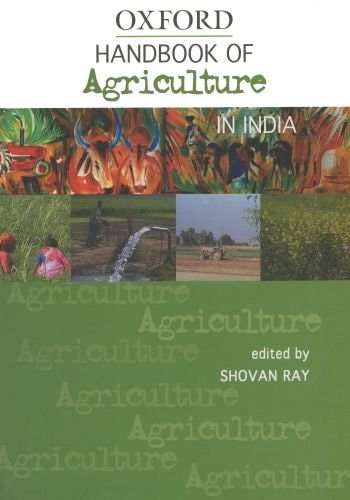
Handbook of Agriculture in India
0
0
As an Amazon Associate and affiliate partner, Menrva Books earns from qualifying purchases. Learn more
Author Description
India's agricultural growth in the twentieth century has been low compared to that in other developing countries. However, there have been some important developments in the agricultural sector in this period. Famines have all but disappeared and there is now a food surplus. The green revolution too increased yield and productivity for certain crops in specific agro-climatic zones.Having said that, a lot still needs to be done. While agricultural growth has contributed to significant decline in poverty, India still remains home to the largest number of poor. Agricultural productivity remains low in much of the rain fed areas where poverty and malnutrition are concentrated. Land productivity is also declining in areas which are over-irrigated. Agricultural growth must be restarted, and the benefits more fairly distributed.This timely handbook reviews key issues in Indian agriculture today. Individual contributors assess:· The state of Indian agriculture in relation to state and central economic policies and their impact on the economic and societal environment· The need to shift focus from green revolution areas to other regions and crops in the context of globalization and even distribution of the benefits achieved· Food security, not only at the national but also at the regional, household, and group levels· Contemporary issues relating to poverty and agricultural subsidies· Emerging issue of the changing agrarian system and rural urban linkages
Menrva's Summary
THE THESIS
This handbook investigates the structural challenges and developmental trajectory of Indian agriculture in the post-twentieth-century era. Edited by Shovan Ray, the text compiles contributions from various experts to analyze the paradox of food surplus existing alongside persistent poverty and malnutrition. The volume argues that while historical gains from the Green Revolution were significant, current agricultural policy must pivot toward equitable distribution, regional diversification, and sustainable land management to address contemporary economic disparities.
THE SCOPE MAP
What You Will Find
- Analysis of the intersection between central economic policies and agricultural performance.
- Evaluation of food security metrics at national, regional, and household levels.
- Examination of agrarian system shifts and rural-urban economic linkages.
- Assessment of poverty reduction strategies in relation to agricultural subsidies.
THE AUTHORITY PERSPECTIVE
Experts and academics frequently cite this volume as a comprehensive reference for understanding the complexities of the Indian agrarian economy. Readers note the text's academic rigor and its utility for policymakers and students seeking a structured overview of regional agricultural disparities.
Page Count:
231
Publication Date:
2007-12-13
Publisher:
Oxford University Press
ISBN-10:
019568673X
ISBN-13:
9780195686739
Economics
India
Public Policy
Agriculture
Community Tags
Similar Books