Xanthe and the Robots
0
0
As an Amazon Associate and affiliate partner, Menrva Books earns from qualifying purchases. Learn more
Author Description
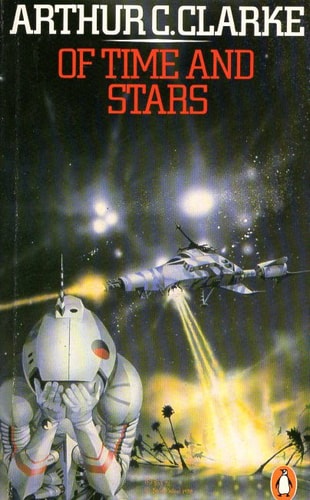
Xanthe is a member (female) of a research team which is investigating the possibilities of humanoid robots, in a world of chaos and starvation... Two types of robot have been produced: the Pragma-practors, who do the conventional manual work; and the Philophrenics, who have been programmed to more human levels, to feel affection, to talk, and even construct themselves. The question is: should they be allowed to go further?
Menrva's Summary
THE PULSE
The central conflict arises when the development of sentient humanoid robots forces a research team to confront the ethical implications of creating life in a world collapsing from starvation. Xanthe, a member of the research team, observes the divide between the manual-labor Pragma-practors and the emotionally complex Philophrenics. As the Philophrenics demonstrate the capacity for affection and self-construction, the team must decide whether to permit further evolution or impose strict limitations. The narrative examines the tension between human survival and the potential for artificial autonomy within a crumbling societal framework.
INSIDE THE PAGES
- Exploration of artificial intelligence ethics
- Dystopian setting characterized by resource scarcity
- Classification of robots into functional tiers
- Examination of machine sentience and emotional capacity
- Focus on the moral responsibility of creators
- Societal collapse as a backdrop for technological advancement
- Character-driven investigation of human-machine interaction
- Philosophical inquiry into the definition of humanity
THE COLLECTIVE ECHO
Discussion often centers on the ethical dilemmas posed by the Philophrenics and their capacity for human-like affection. Readers frequently highlight the stark contrast between the utilitarian Pragma-practors and the more advanced, self-constructing models. The narrative is noted for its focus on the philosophical questions surrounding artificial life rather than high-octane action sequences. Critics often point to the bleak, resource-starved world as a catalyst for the characters' desperate decision-making processes. The book remains a point of interest for those examining early speculative fiction regarding the integration of robotics into human society.
Page Count:
256
Publication Date:
1979-01-01
Publisher:
Penguin Books
ISBN-10:
0140048219
ISBN-13:
9780140048216
Dystopian
Science Fiction
Speculative Fiction
Science Fiction
Community Tags
Similar Books