The Live Classroom
0
0
As an Amazon Associate and affiliate partner, Menrva Books earns from qualifying purchases. Learn more
Author Description
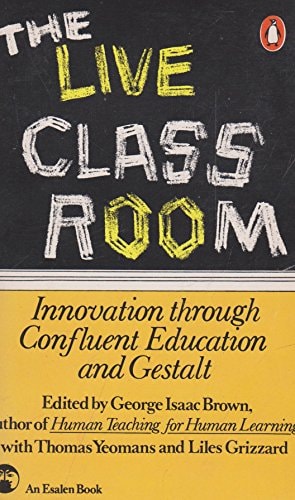
ContentsIntroduction by George Isaac BrownOne. Gestalt: theory with practiceGestalt and the transformation by Geri MetzAwareness training and creativity based on Gestalt therapy by George Isaac BrownAn introduction to Gestalt therapy by James S. SimkinGestalt as learning theory by David N. McCarthyScientific theory and Gestalt: a juxtaposition by Bert PearlmanGestalt therapy: engaging the video subself by Liles GrizzardGestalt and the first-year teacher by Melinda RogersGestalt and the substitute teacher by Victoria GrizzardGestalt theory and practice and the teaching of literature by Thomas Yeomans"Beyond" Gestalt therapy by George Isaac BrownTwo. The theory of confluent educationHuman is as confluent does by George Isaac BrownDeveloping models by "unpacking" confluent education by Stewart B. ShapiroBeyond vibration teaching: research and curriculum development in confluent education by John M. ShiflettSearch for a working model: Gestalt, psychosynthesis, and confluent education by Thomas YeomansProcess in the classroom by Steven R. BogadThree. The practice of confluent educationGestalt in the first grade: teaching alive—being alive by Sherry CartyGestalt in the second grade: merging of the inner and outer worlds by Anita CassarinoConfluent education for the emotionally handicapped by Jane Brody SpiraConfluence in mathematics: can 1 + 1 be a creative experience? by Steven R. BogadGetting at responsibility in a ninth grade English class by Sandra NewbyGestalt therapy: new wine in old skins by Beverly GalyeanChildren of the universe by Mary StephensFour. Examples of lessons, units, and course outlines in confluent educationA confluent reading lesson for grades 1-3 by Victoria GrizzardA confluent approach to teaching Beowulf by Margaret HarrisWriting and the red rubber ball (College level) by David N. McCarthyListening to the book by Jean SchleiferThe Canterbury tales for high-school students by Susan WiltseyThe play's the thing—a quarter-course outline by Aaron Hillm
Menrva's Summary
THE THESIS
This collection investigates the integration of Gestalt therapy principles into classroom instruction to foster 'confluent education,' where cognitive and affective learning are synthesized. George Isaac Brown and his contributors argue that traditional academic instruction often neglects the emotional and sensory awareness of the student. By applying Gestalt techniques, the authors propose a framework that encourages teachers to facilitate personal growth alongside subject-matter mastery, aiming to make the classroom a space for holistic human development.
THE SCOPE MAP
What You Will Find
- Theoretical foundations of Gestalt therapy applied to educational settings
- Practical applications of confluent education across various grade levels, from first grade to college
- Specific lesson plans and course outlines for subjects including mathematics, literature, and creative writing
- Methodologies for integrating psychosynthesis and awareness training into curriculum development
Scope Limits
- The text focuses primarily on the specific pedagogical movement of confluent education as it existed in the mid-20th century
- It does not provide a comprehensive overview of modern educational psychology or contemporary standardized testing frameworks
THE AUTHORITY PERSPECTIVE
Experts recognize this work as a primary source for understanding the historical intersection of humanistic psychology and classroom practice. Readers frequently note the academic density of the prose, which serves as both a theoretical manifesto and a practical manual for educators interested in affective learning.
Page Count:
304
Publication Date:
1976-12-09
Publisher:
Penguin Books
ISBN-10:
0140044213
ISBN-13:
9780140044218
Gestalt therapy
Schools & Teaching
Pedagogy
Education
Psychology in Education
Teaching Methods
Community Tags
Similar Books