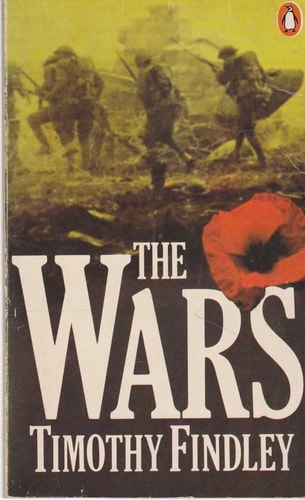
The Wars
0
0
As an Amazon Associate and affiliate partner, Menrva Books earns from qualifying purchases. Learn more
Author Description
Robert Ross, a sensitive nineteen-year-old Canadian officer, went to war—The War to End All Wars. He found himself in the nightmare world of trench warfare, of mud and smoke, of chlorine gas and rotting corpses. In this world gone mad, Robert Ross performed a last desperate act to declare his commitment to life in the midst of death.
Menrva's Summary
THE PULSE
Robert Ross, a nineteen-year-old Canadian officer, enters the brutal landscape of the First World War and faces the moral disintegration of humanity. Driven by a desire to protect the vulnerable and maintain his own sanity, Robert navigates the physical and psychological horrors of the trenches. He encounters systemic cruelty, the indifference of military bureaucracy, and the visceral reality of mechanized slaughter. The narrative utilizes a non-linear structure, weaving together fragmented memories and historical accounts to examine the protagonist's internal collapse against the backdrop of global conflict.
INSIDE THE PAGES
- Non-linear narrative structure
- Detailed descriptions of trench warfare conditions
- Exploration of the psychological impact of combat
- Themes of innocence versus institutionalized violence
- Use of animal imagery as a metaphor for human vulnerability
- Examination of the Canadian military experience in World War I
- Focus on the moral agency of the individual soldier
- Atmospheric prose emphasizing sensory details of the battlefield
THE COLLECTIVE ECHO
Readers and critics frequently highlight the visceral, unflinching depiction of the First World War as a defining element of the work. Discussion often centers on the author's ability to balance the intimate psychological development of the protagonist with the overwhelming scale of the conflict. Many note the effectiveness of the atmospheric world-building, which emphasizes the sensory degradation of the trenches. The thematic exploration of how individuals maintain their humanity in a state of total war remains a frequent point of analysis in literary circles. The pacing is often described as deliberate, allowing the reader to fully absorb the gravity of the protagonist's moral choices.
Page Count:
192
Publication Date:
1979-01-02
Publisher:
Penguin Canada
ISBN-10:
0140050116
ISBN-13:
9780140050110
Literary Fiction
Historical
Canadian
Genre Fiction
World Literature
War
Coming of Age