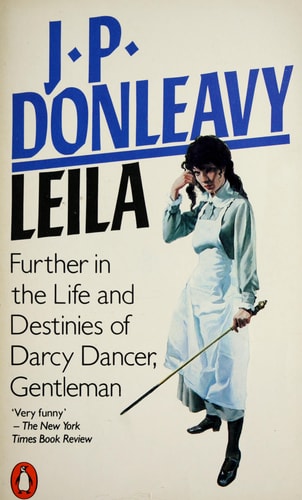
Leila: Further in the Life and Destinies of Darcy Dancer, Gentleman
0
0
As an Amazon Associate and affiliate partner, Menrva Books earns from qualifying purchases. Learn more
Author Description
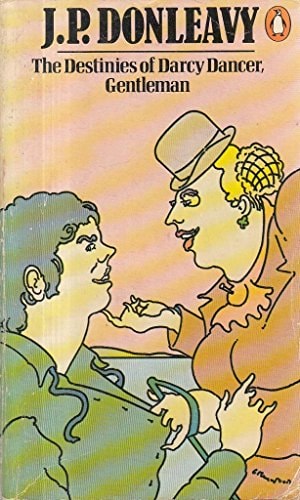
His future is disastrous, his present indecent, his past divine. He is Darcy Dancer, youthful squire of Andromeda Park, the great gray stone mansion inhabited by Crooks, the cross eyed butler, and the sexy, aristocratic Miss Von B. This sequel to The Destinies of Darcy Dancer, Gentleman finds our hero falling in with decidedly low company — like the dissolute Dublin poet, Foxy Slattery, and Ronald Rashers, who absconds with the family silver — before falling head over heels in love with the lissome Leila.
Menrva's Summary
THE PULSE
Darcy Dancer, a young squire navigating the decline of his ancestral estate, finds his life further complicated by eccentric companions and an intense romantic pursuit. Darcy resides at Andromeda Park, a crumbling mansion populated by a cast of bizarre figures including a cross-eyed butler and an aristocratic woman. His objective is to maintain his status and navigate the social pitfalls of his environment, while he is constantly undermined by the dissolute behavior of his acquaintances and his own impulsive nature. The narrative follows his descent into increasingly chaotic situations, framed through a prose style that emphasizes the absurdity of his aristocratic upbringing. The story operates as a picaresque, documenting his interactions with poets and thieves as he attempts to secure his future.
INSIDE THE PAGES
- Picaresque narrative structure
- Satirical depiction of the Irish landed gentry
- Use of eccentric and grotesque character archetypes
- Focus on the decline of ancestral estates
- Prose characterized by rhythmic, idiosyncratic sentence structures
- Exploration of social class and moral decay
- Romantic subplot involving the titular character
- Themes of inheritance and personal identity
THE COLLECTIVE ECHO
Readers and critics often note the distinct, energetic prose style that defines Donleavy's work, frequently highlighting his ability to blend dark humor with social commentary. Discussion often centers on the protagonist's development as he navigates a world that seems designed to strip him of his dignity and inheritance. Many observers point to the effectiveness of the atmospheric setting, which captures the specific decay of the Irish countryside with both wit and cynicism. The balance between the character's internal monologue and the external chaos of his social circle remains a frequent topic of analysis for those interested in mid-century satirical literature. Readers frequently highlight the author's unique voice as the primary reason for engaging with this specific series.
Page Count:
432
Publication Date:
1984-01-01
Publisher:
Penguin Books
ISBN-10:
0140050108
ISBN-13:
9780140050103
Fiction
Satire
Literary
Contemporary
Humorous fiction
Coming of Age
Irish literature
Community Tags
Similar Books