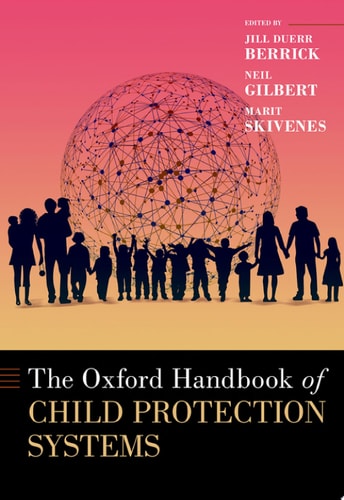
Oxford Handbook of Child Protection Systems
0
0
As an Amazon Associate and affiliate partner, Menrva Books earns from qualifying purchases. Learn more
Author Description
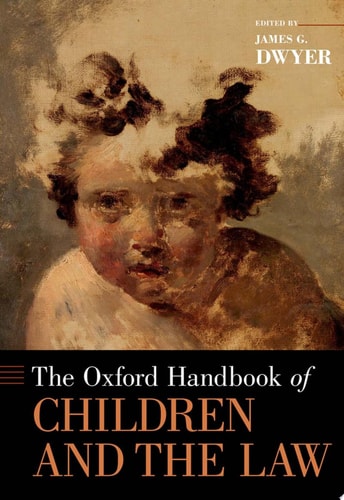
Over 30 years ago, the United Nations developed the Convention on the Rights of the Child (UNCRC), heralding the importance of protecting children from a range of human rights violations. Among these are the right to be free from abuse and neglect at the hands of parents or other caregivers, and the responsibility of states to devise a protective response. How nations conceptualize harm and even how they define childhood varies markedly across the globe. This Handbook describes and analyzes the ways in which 50 countries from every continent, except Antarctica, have devised measures for child protection emphasized in the UNCRC. The Handbook discusses the legislative responses, public administrative systems, and the social service networks that governments have put in place to secure the protection of children against maltreatment and exploitation. Synthesizing data from across the world, the authors suggest a global typology of child protection systems for understanding the diversity of service responses. The typology consists of five ideal types that have as their emphasis protection against an array of risks to childhood and that represent the focal point for government intervention in the lives of families. They include child exploitation protective systems, child deprivation protective systems, child maltreatment protective systems, child well-being protective systems, and child rights protective systems. The Handbook is a valuable resource for researchers, students, and policymakers attempting to craft thoughtful state responses to children's needs
Menrva's Summary
THE THESIS
This volume investigates how diverse nations conceptualize and implement child protection systems in response to the United Nations Convention on the Rights of the Child. The authors, led by experts in social welfare and child policy, synthesize comparative data from 50 countries to establish a global typology of protective measures. By analyzing legislative frameworks and administrative structures, the text provides a systematic method for evaluating how different states intervene in family life to mitigate risks to children.
THE SCOPE MAP
What You Will Find
- A comparative analysis of child protection policies across 50 countries spanning every continent except Antarctica.
- A comprehensive typology of five ideal types of protection systems, including child maltreatment, well-being, and rights-based models.
- Examination of legislative responses, public administrative systems, and social service networks used to combat maltreatment and exploitation.
- Data-driven synthesis of global trends in state-led interventions regarding childhood harm and neglect.
THE AUTHORITY PERSPECTIVE
Experts identify this work as a foundational reference for policymakers and researchers seeking to understand the global landscape of child welfare administration. Readers frequently note the academic density of the prose, which serves as a rigorous tool for comparative social policy analysis.
Page Count:
1016
Publication Date:
2023-02-21
Publisher:
Oxford University Press
ISBN-10:
0197503543
ISBN-13:
9780197503546
Child Welfare
Public Policy
Social Science
Law
Sociology
Community Tags
Similar Books