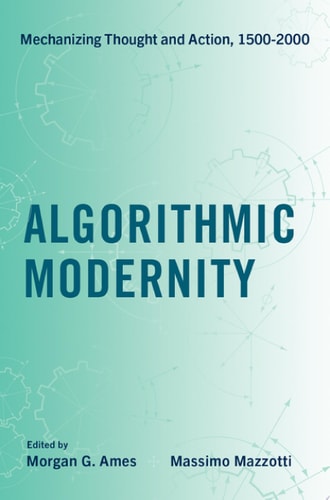
Algorithmic Modernity: Mechanizing Thought and Action, 1500-2000
0
0
As an Amazon Associate and affiliate partner, Menrva Books earns from qualifying purchases. Learn more
Author Description
Algorithms have been transforming human society long before the advent of computing. Yet they continue to exist in relative invisibility despite their presence behind many of our modern social interactions. The rhetoric of algorithmic neutrality is more alive than ever, and algorithms are often depicted as obvious and unproblematic―without context and without history.Algorithmic Modernity draws together the history of mathematics and intellectual history to convey the enduring global history of the algorithm as a computational tool, epistemic ideal, and rhetorical figure alongside the ascendance of modernity. Through historical reconstructions of relevant thinkers and cultural phenomena over the last five hundred years, this collection of essays reveals how algorithms became the standard method for solving problems from the early inclusion of algorithms in Newton's formation of calculus to their later influence in the New Deal economy. Together, these essays create an informed history for readers interested in the social and cultural implications of today's pervasive digital algorithm.Featuring experts in mathematics, history, and computing, Algorithmic Modernity presents a multi-faceted exploration of the genealogy of algorithmic thinking in modern times.
Menrva's Summary
THE THESIS
This book investigates the historical evolution of the algorithm as a foundational tool and rhetorical construct that has shaped modern social and intellectual life over the last five centuries. Massimo Mazzotti and Morgan G. Ames curate a collection of essays that bridge the history of mathematics with broader intellectual history. By examining the transition from early computational methods to contemporary digital systems, the authors argue that algorithmic thinking is not a neutral, modern invention but a deeply contextualized product of historical development. The text utilizes historical case studies to challenge the perception of algorithms as objective, unproblematic entities.
THE SCOPE MAP
What You Will Find
- Historical analysis of algorithmic development from the 16th century to the present day.
- Examination of the role of algorithms in the formation of calculus and the New Deal economy.
- Interdisciplinary research combining mathematics, history, and computing perspectives.
- Critical exploration of the rhetoric of algorithmic neutrality and its social implications.
THE AUTHORITY PERSPECTIVE
Experts recognize this collection as a significant contribution to the history of technology, providing necessary context for understanding modern digital systems. Readers frequently note the academic rigor of the essays, which successfully demystify the origins of pervasive computational logic.
Page Count:
312
Publication Date:
2023-03-24
Publisher:
Oxford University Press
ISBN-10:
0197502423
ISBN-13:
9780197502426
Philosophy
History
Science
Technology
Science
Mathematics
Sociology
Community Tags
Similar Books