Marcel Broodthaers: A Retrospective
0
0
As an Amazon Associate and affiliate partner, Menrva Books earns from qualifying purchases. Learn more
Author Description
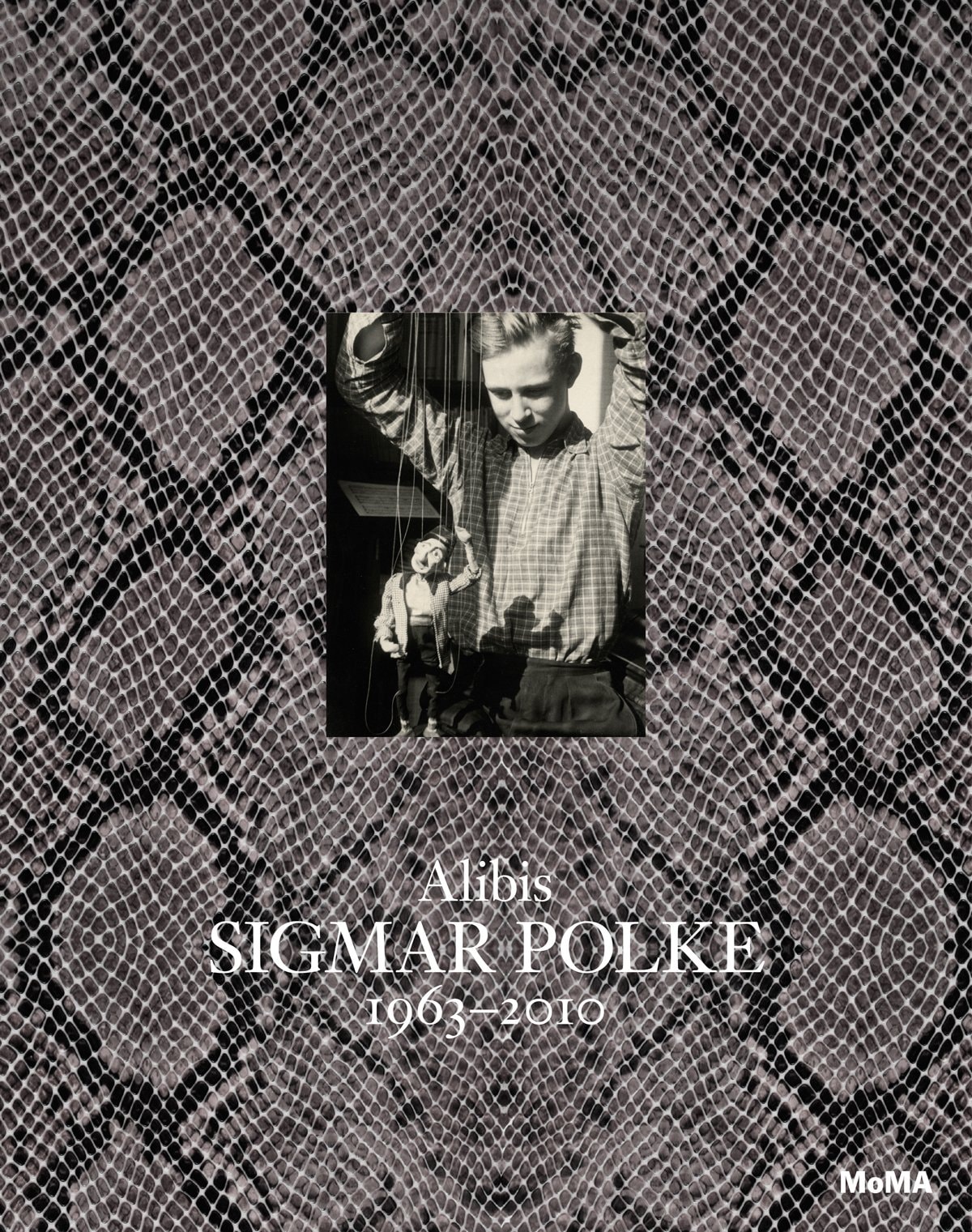
Working across an unusually broad range of media, including painting, photography, film, drawing and sculpture, Sigmar Polke is widely regarded as one of the most influential and experimental artists of the post-war generation. His irreverent wit and promiscuous intelligence, coupled with his exceptional grasp of the properties of his materials, provided the foundation for his punishing critiques of the conventions of art history and social behavior. Experimenting wildly with materials and tools as varied as meteor dust and the xerox machine, Polke made work of both an intimate and monumental scale, drawn from sources as diverse as newspaper headlines and Dürer prints. Polke avoided any one signature style, a fluid method best defined by the word “alibi,” which means “in or at another place.” This also is a reminder of the deflection of responsibility which shaped German behavior during the Nazi period, compelling Polke’s generation to reinvent the role of the artist. Published in conjunction with Alibis: Sigmar Polke 1963–2010, the first exhibition to encompass the artist’s work across all media, this richly illustrated publication provides an overview of his cross-disciplinary innovations and career. Essays by Kathy Halbreich, Associate Director of The Museum of Modern Art; Mark Godfrey, Curator of International Art, Tate Modern; and a range of scholars and artists examine the full range of Polke’s exceptionally inventive oeuvre and place his enormous skepticism of all social, political and artistic conventions against German history. Sigmar Polke (1941–2010) was born in Oels, in eastern Germany, now Olesnica in present-day Poland. At the end of World War II, Polke and his family fled to East Germany and, in 1953, escaped to Düsseldorf, where he was trained as a glass painter and subsequently studied at the Kunstakademie Düsseldorf. Since the late 1960s, Polke’s work has been shown widely, including solo exhibitions at European and American museums. His l
Menrva's Summary
THE THESIS
This retrospective examines the multifaceted career of Marcel Broodthaers, a pivotal figure in conceptual art. The exhibition and accompanying publication explore his work across diverse media, including painting, photography, film, drawing, and sculpture, highlighting his critical engagement with the institutions of art and the structures of language. Broodthaers' practice often involved a playful yet profound deconstruction of artistic conventions, challenging the viewer's perception of art objects and their display.
THE SCOPE MAP
- Exhibition details for major international venues: Museum of Modern Art (New York), Museo Nacional Centro de Arte Reina Sofía (Madrid), and Kunstsammlung Nordrhein-Westfalen (Düsseldorf).
- Exploration of Broodthaers' diverse artistic media: painting, photography, film, drawing, and sculpture.
- Analysis of his conceptual approach, focusing on language, institutions, and the nature of art.
- Inclusion of essays by prominent art historians and curators.
- Detailed examination of key works and artistic periods within Broodthaers' oeuvre.
- Contextualization of his work within the broader landscape of post-war art.
THE AUTHORITY PERSPECTIVE
This publication, accompanying a major international retrospective, offers a comprehensive overview of Marcel Broodthaers' influential body of work. The exhibition's extensive tour to prestigious institutions in New York, Madrid, and Düsseldorf underscores the significance of Broodthaers' contributions to conceptual art. Critical and scholarly essays within the catalog delve into his innovative use of language and his incisive critiques of art institutions. The retrospective is recognized for its thoroughness in presenting the breadth of his artistic practice across various media.
Page Count:
351
Publication Date:
2016-01-01
Publisher:
Museum of modern art
ISBN-10:
0870708899
ISBN-13:
9780870708893
Art
Non-Fiction
Art History
Monographs
Conceptual Art
Community Tags
Similar Books



Reader Comments
Share Your Thoughts
No comments yet. Be the first to share your thoughts!