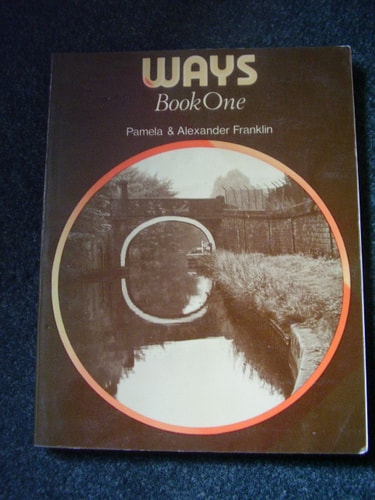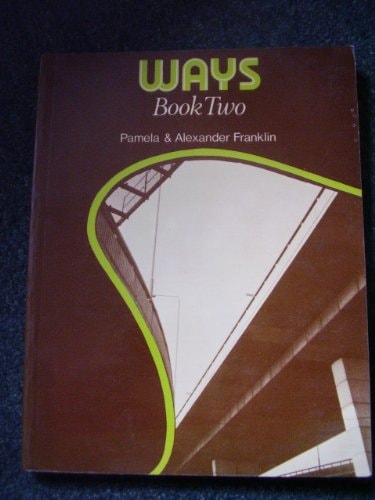
Ways. Book 2
0
0
As an Amazon Associate and affiliate partner, Menrva Books earns from qualifying purchases. Learn more
Author Description
No description available.
Menrva's Summary
THE PULSE
The protagonist faces a critical turning point as the consequences of previous choices begin to reshape their immediate environment. Navigating a landscape defined by personal accountability and shifting social dynamics, the protagonist seeks to reconcile their internal desires with the external pressures of their community. The narrative framework utilizes a character-driven approach to examine how individuals adapt when their established routines are disrupted. Logical constraints are imposed by the protagonist's limited resources and the complex interpersonal history that dictates their current options.
INSIDE THE PAGES
- Character-focused internal monologue
- Exploration of interpersonal conflict
- Sequential narrative progression
- Focus on domestic and social settings
- Emphasis on decision-making consequences
- Realistic dialogue patterns
- Gradual revelation of backstory
- Atmospheric setting development
THE COLLECTIVE ECHO
Readers often note the deliberate pacing that allows for a thorough examination of the protagonist's psychological state. Discussion frequently centers on the realism of the character interactions and the way the author handles the transition from the previous installment. Critics highlight the focus on subtle shifts in perspective rather than high-stakes external action. The narrative style is described as grounded, prioritizing the slow accumulation of tension over sudden plot twists. This approach provides a consistent experience for those interested in character-led drama.
Page Count:
144
Publication Date:
1973-07-09
Publisher:
Longman Schools Division (a Pearson Education company)
ISBN-10:
0050023756
ISBN-13:
9780050023754
Contemporary
Fiction
Drama
Schools & Teaching
Community Tags
Similar Books