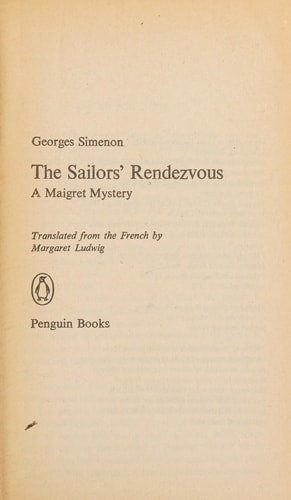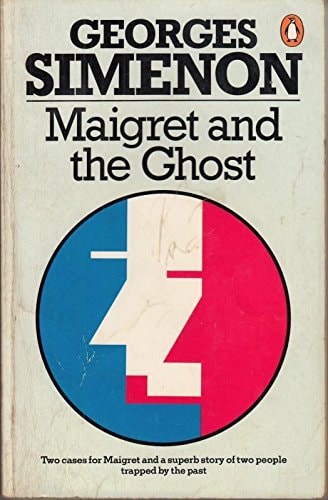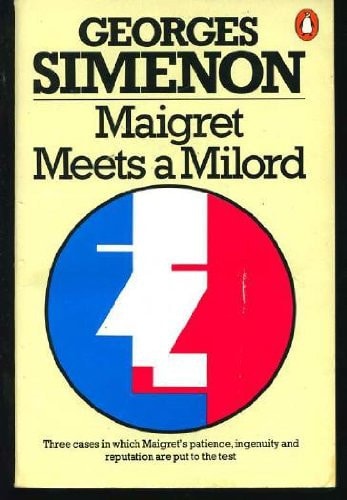
Maigret Meets a Milord Omnibus
0
0
As an Amazon Associate and affiliate partner, Menrva Books earns from qualifying purchases. Learn more
Author Description
Chief Superintendent Maigret investigates three baffling cases of murder and struggles to bring the killers to justice
Menrva's Summary
THE PULSE
Chief Superintendent Maigret confronts a series of complex homicides that challenge his methodical approach to criminal investigation. Maigret operates within the rigid social hierarchies of mid-20th-century France, where he must navigate both the secrets of the elite and the desperation of the working class. His objective is to uncover the psychological motivations behind each murder, often facing resistance from suspects who believe their status places them above the law. The narrative framework utilizes a third-person limited perspective that focuses on Maigret's observational skills and his tendency to immerse himself in the environment of the crime. He relies on intuition and patience to dismantle the logical fallacies presented by those attempting to conceal the truth.
INSIDE THE PAGES
- Atmospheric depiction of Parisian and provincial French settings
- Focus on the psychological state of the suspects
- Methodical police procedural techniques
- Exploration of class dynamics and social status
- Minimalist prose style emphasizing character behavior
- Emphasis on the detective's empathy and intuition
- Integration of local culture and regional idiosyncrasies
- Pacing that prioritizes character study over high-octane action
THE COLLECTIVE ECHO
Readers frequently highlight the understated brilliance of Simenon's characterization of Maigret as a grounded, observant investigator. Discussion often centers on the author's ability to create a palpable sense of place that informs the narrative tension throughout each case. Critics note that the pacing is deliberate, favoring slow-burn psychological tension over traditional thriller tropes. Many appreciate how the stories avoid sensationalism, focusing instead on the human complexities behind criminal acts. The consensus remains that these works serve as a foundational example of the police procedural genre.
Page Count:
400
Publication Date:
1983-09-29
Publisher:
Penguin Books
ISBN-10:
0140066519
ISBN-13:
9780140066517
Crime
Mystery
Detective
High Fantasy
Classic Crime
Community Tags
Similar Books